




For the JBL super fan or someone looking for a one-of-a-kind set of speakers. If you visited our record shop back when it was at The Row in […]

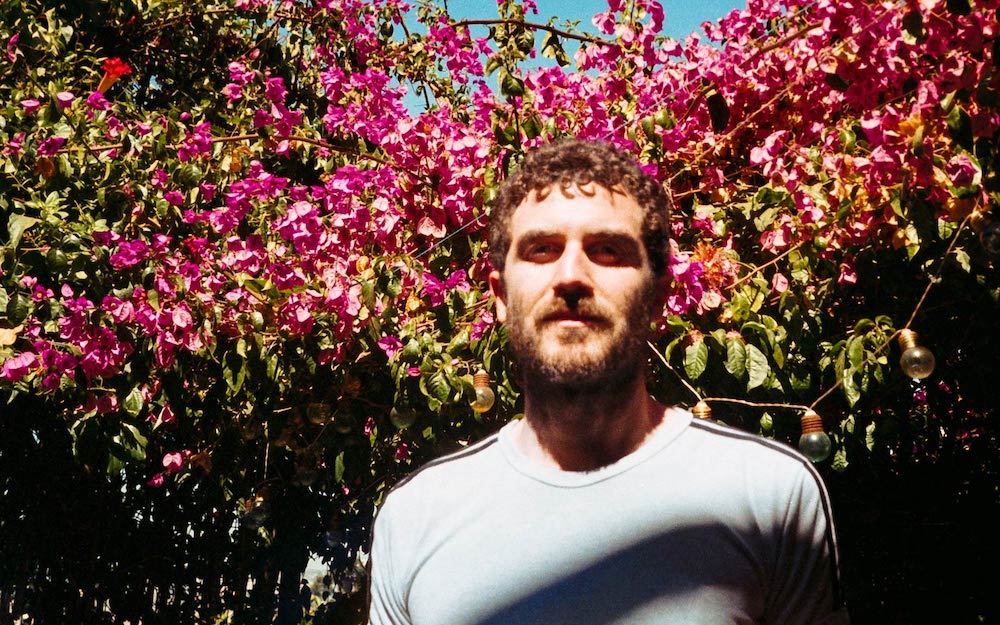
Ten years ago, Nicolás Jaar released Pomegranates as if it were a dispatch from a private world, a body of music assembled without plan or commission and left to drift until it found its reflection in Sergei Parajanov’s 1969 film The Color of Pomegranates. Many of these pieces were born without a project in mind. One came from a night at home after tour when, as Jaar wrote, a huge water bug started dancing on top of some cables on the floor and he chose to make music for it rather than kill it, later naming the track “Garden of Eden.”
Other fragments came from abandoned work: a score for a TV show he walked away from, a beat declined by a rapper, hours of soundtrack music that had nowhere to go. Only later did Jaar see Parajanov’s film and recognize a strange symmetry. He synced the music to picture and let instinct carry him forward. In his words:
“I was curious to see what my songs sounded like when synced with the images, which turned into a two-day bender where I soundtracked the entire film, creating a weird collage of the ambient music I had made over the last two years.”
Originally released as a free download, the work caused enough buzz to warrant a vinyl version which also arrived in 2015. Jaar’s label has just issued a second pressing for its tenth anniversary, returning the album to circulation and giving weight to something that once lived only as a shared link among listeners.
Parajanov’s film stands as its own universe, part biography of the Armenian poet Sayat-Nova and part ritual pageant built from slow-moving tableaux rather than conventional narrative. Shot in Armenia during the Soviet period, it premiered in 1969 and soon drew censorship that sliced and rearranged its religious and folkloric imagery before it gradually emerged as a modernist landmark.
The Color of Pomegranates is remembered less for story than for iconography: wool dyed deep red, pomegranates split like wounds or offerings, priests and brides and white horses posed like living still lifes. That is the visual world Jaar set his music against, guided more by recognition than intention.
He later said, “the film gave me a structure to follow and themes to stick to. It gave clarity to this music that was made mostly out of and through chaos.” When he finished Pomegranates he moved into a new apartment furnished with nothing but a small tree. The landlord told him it was a pomegranate, no idea what Jaar had just released a few days earlier. The coincidence fits. None of this music was written for Parajanov’s vision, yet it caught the same light and bloomed in the same direction.
Unofficial scores like this sit in a peculiar corner of film culture, where movies and records are reassigned to each other by viewers who prefer serendipity over sanction. The most enduring example is still The Wizard of Oz synced with Pink Floyd’s Dark Side of the Moon, a myth that refuses to die even after decades of debunking, kept alive by midnight screenings and shared curiosity.
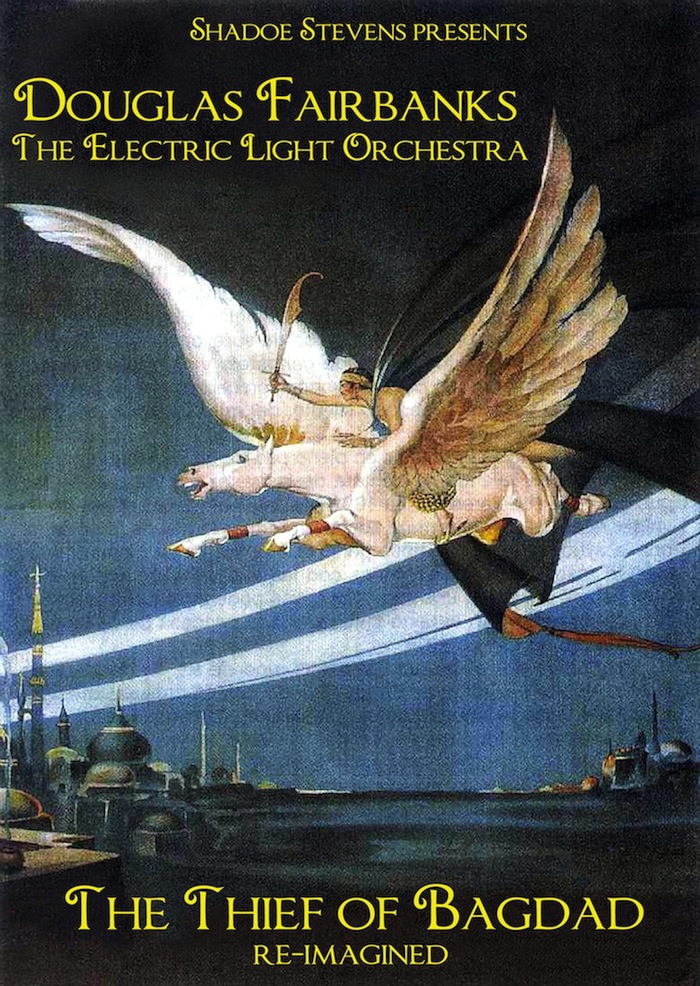
A more obscure instance unfolded on Fairfax in LA in 2011, when Shadoe Stevens paired Douglas Fairbanks’ The Thief of Bagdad with the music of Electric Light Orchestra at the Silent Movie Theater, a one-night experiment that drew a crowd and held together through sheer conviction.
For a long stretch the full film-plus-score existed on YouTube in a seamless stream, just one click and you were inside it. But because Jaar’s soundtrack was never sanctioned as an official alternate version, the video was eventually removed for copyright infringement and the plug was pulled on effortless access. To experience the pairing now you have to rent The Color of Pomegranates and run the album separately, syncing them yourself, the way people once did with Oz and Dark Side.
Convenience has vanished, replaced by a ritual you rebuild yourself. Pomegranates lives in that tradition. The repress preserves the music, yet the magic relies on you to finish the circuit, film in one hand, record in the other. We wish we could say we’re stocking it, but alas, interested buyers will have to check other favorite esoteric record shops. Forced Exposure has it (for now).
For the JBL super fan or someone looking for a one-of-a-kind set of speakers. If you visited our record shop back when it was at The Row in […]
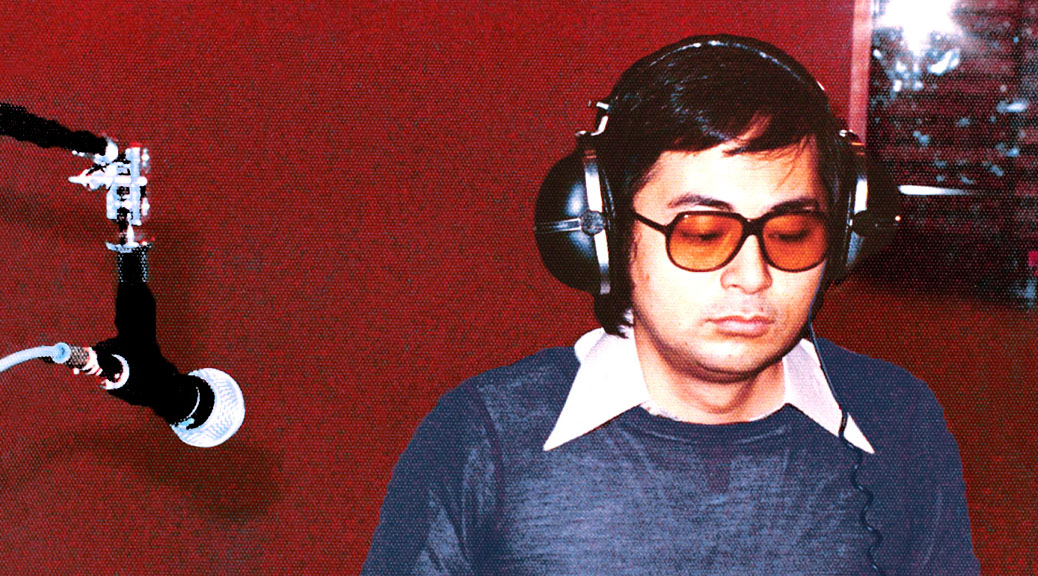
Join us this Friday in the Japanese Garden to hear the cosmic jazz-funk soundtracks of Yuji Ohno! While not a household name outside of Japan, Yuji Ohno is […]

No human is illegal… Donate to local Immigrant Rights Organizations. While protests continue across the country, here in our hometown of Los Angeles we’re seeing the immediate effects […]
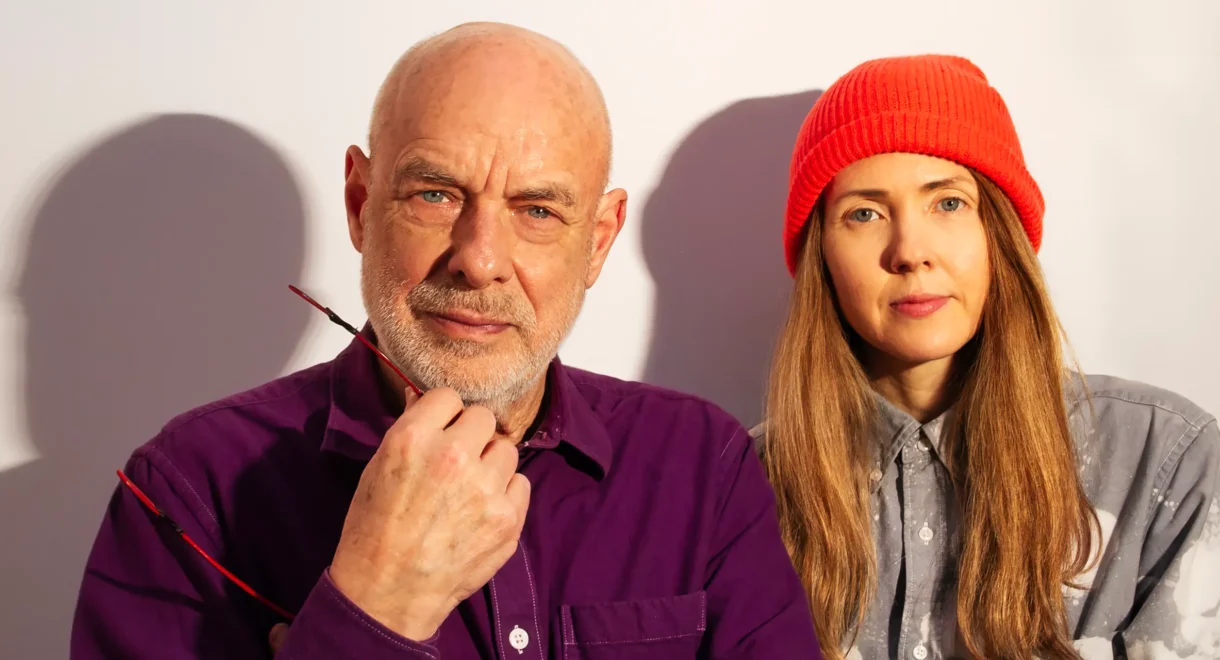
Listen to Brian Eno and Beatie Wolfe’s “Feeling of the Day” series on KCRW’s Morning Becomes Eclectic. Earlier this month, KCRW announced a special collaborative radio project with ambient […]

Join us Saturday 4-8pm at the Jerry Moss Plaza for the third annual On the Record Vinyl Fair presented by Music Center. The Music Center’s annual “On the […]
The project represents a landmark collaboration between LA Phil Insight, REDCAT, and Wild Up uplifting the legacies of these maverick artists. Here’s another incredible archival project co-produced by […]