



Previously unreleased, Chuck Bynum’s “You Worked Your Miracle” is available now via The Sound Council. It’s becoming rarer in the record digging community, but sometimes a song comes […]

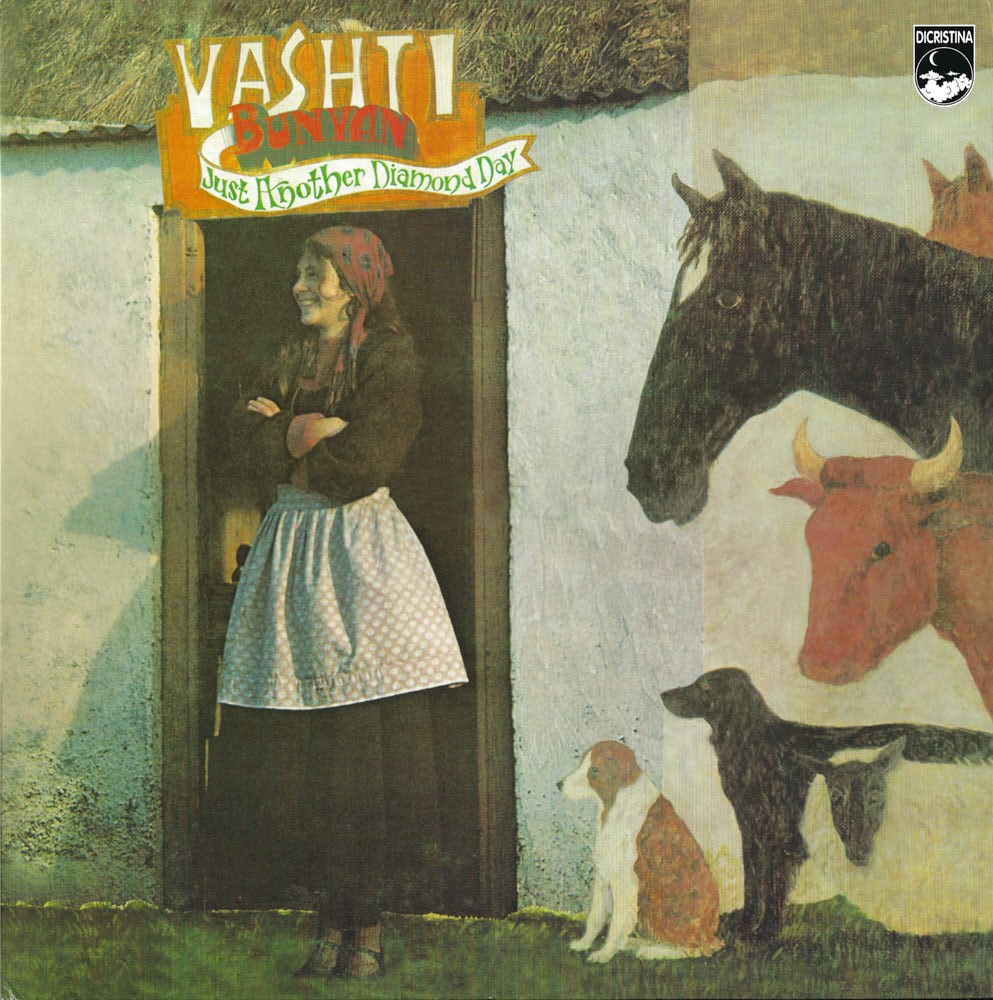
At 80, British singer and songwriter Vashti Bunyan remains careful about when she records and why. After decades away, she returned in 2005 with Lookaftering, a record that reframed her early work as a living influence rather than a relic. Her most recent album is Heartleap, released in 2014, followed by a memoir, Wayward: Just Another Life to Live, in 2022, and occasional collaborations, including the song “How Could You Let Me Go” with Devendra Banhart, for the Light in the Attic & Friends series.
Last month, quietly and without ceremony, Bunyan reappeared as if through a tangle of bracken, singing on “Pipe,” a new track by producer Sega Bodega. It’s a sublimely delivered return, one in which Bunyan’s voice is doubled, tripled, quadrupled into layers that wash through the piece.
Long before the retreats and reappearances, Bunyan briefly stood inside the machinery of the 1960s pop world, a moment preserved almost incidentally on film. In footage shot around 1965 and later included in the 1967 documentary Tonite Let’s All Make Love in London, she appears in the recording studio with Andrew Loog Oldham, then her producer, young and poised, the future seemingly laid out in front of her. It’s a fleeting scene, but a revealing one, capturing Bunyan at the precise moment before she chose to walk away from the path that had been prepared for her.
To say she strayed from the path is an understatement. In the late 1960s, Bunyan turned away from the machinery gathering around her and set out across Britain by horse and cart with her partner, Robert Lewis, moving slowly through the countryside and living as deliberately as she could manage. The journey became the quiet engine of her cult debut, Just Another Diamond Day, its songs shaped by days spent walking, waiting, listening, and making do, a record that would later come to feel inseparable from the life that produced it.
Bunyan tells that story in From Here to Before, a lovely 2008 documentary that resists the urge to tidy her life into a redemption arc. Directed by Kieran Evans, the film retraces the horse-and-cart journey she and Lewis took while folding it into Bunyan’s later years, allowing memory, landscape, and consequence to sit side by side. Rather than explaining her choices, it presents them as a narrative, treating the journey not as an eccentric detour but as the organizing principle of a life lived deliberately outside the usual measures of success.
Bunyan describes the logic behind that decision in her own words, recalling the values that guided her long before the music caught up:
“I wanted everything to be as much made by us as possible,” she says in the film, of her 20-something life. “Even the cups that we used were handmade by a potter friend of Robert’s. Everything that we had was what I considered to be natural in some way.”
Adds Bunyan, “What I was looking for all around me all the time were people who could tell me what it used to be like when there were just horses on the road — when people had to make do with what was to hand. Just to get back to something that made sense.”
Below, the excellent winter song “The Coldest Night of the Year,” a riff on “Baby It’s Cold Outside.” It was produced by Andrew Loog Oldham.
Previously unreleased, Chuck Bynum’s “You Worked Your Miracle” is available now via The Sound Council. It’s becoming rarer in the record digging community, but sometimes a song comes […]
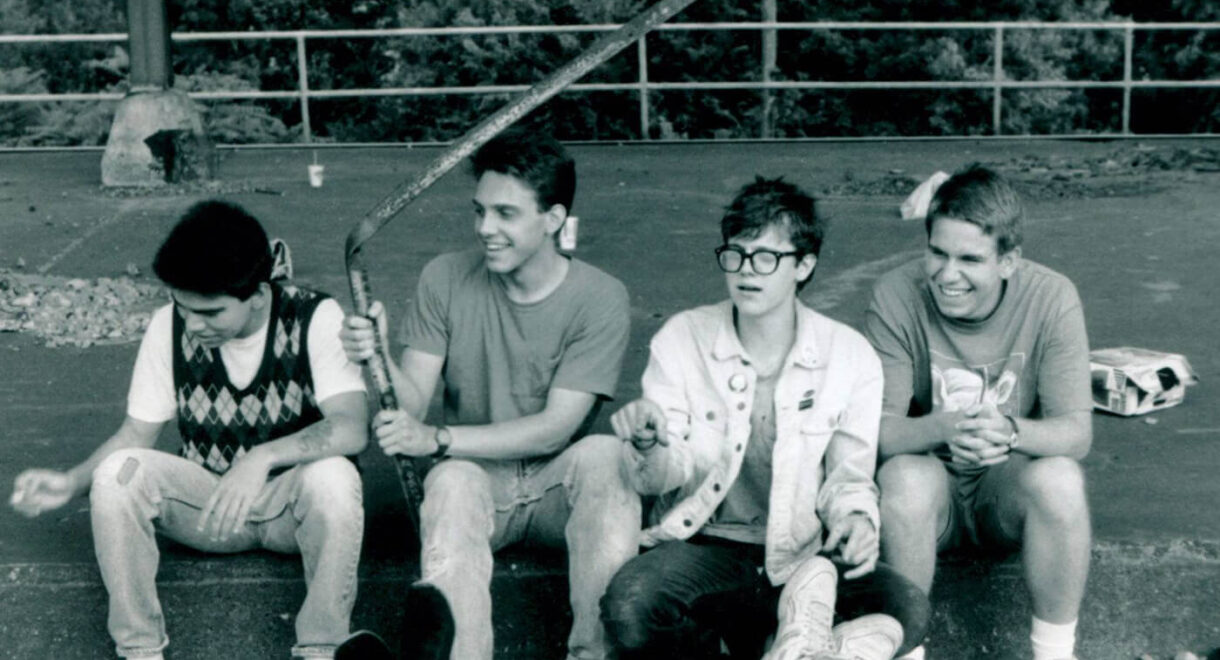
The story of Slint and the Louisville music culture they emerged from. Recommended by a friend who heard skateboard legend Ray Barbee having an enthusiastic conversation about it […]

From the pulpit to the stage, D’Angelo spent his life chasing transcendence through rhythm — a body of work that burned bright, vanished, and returned to remind us […]
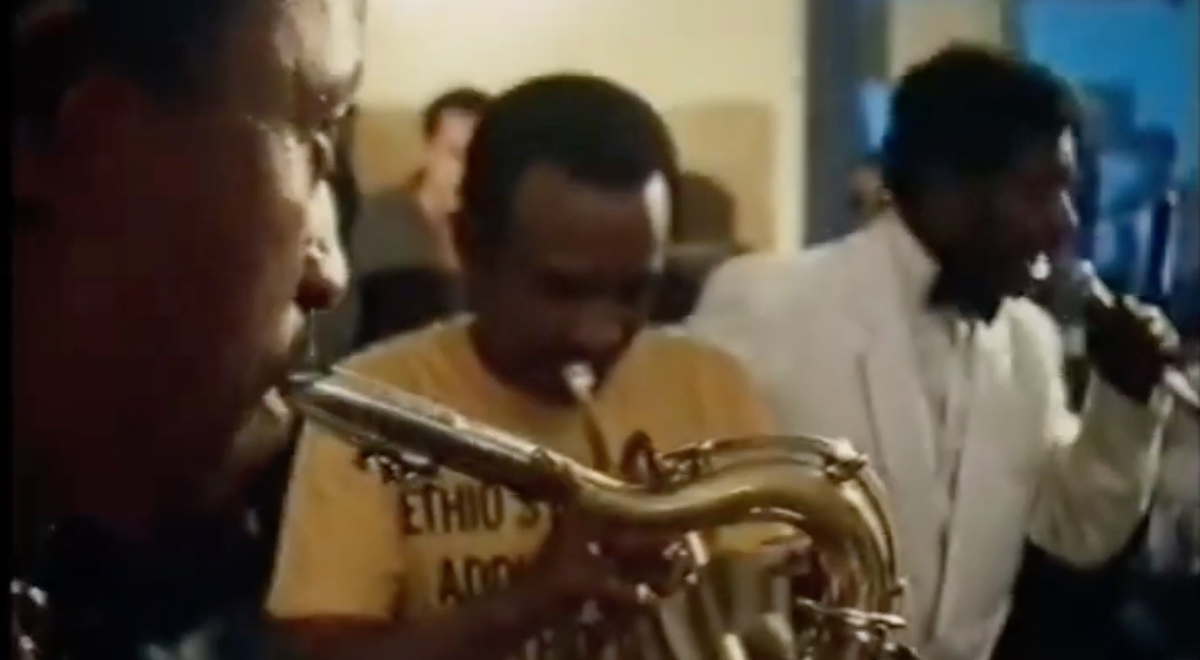
Not all five episodes survive online, but its portraits of Kinshasa and Addis Ababa remain vivid — honest, revealing, and shadowed by a colonial gaze. From the 1970s […]
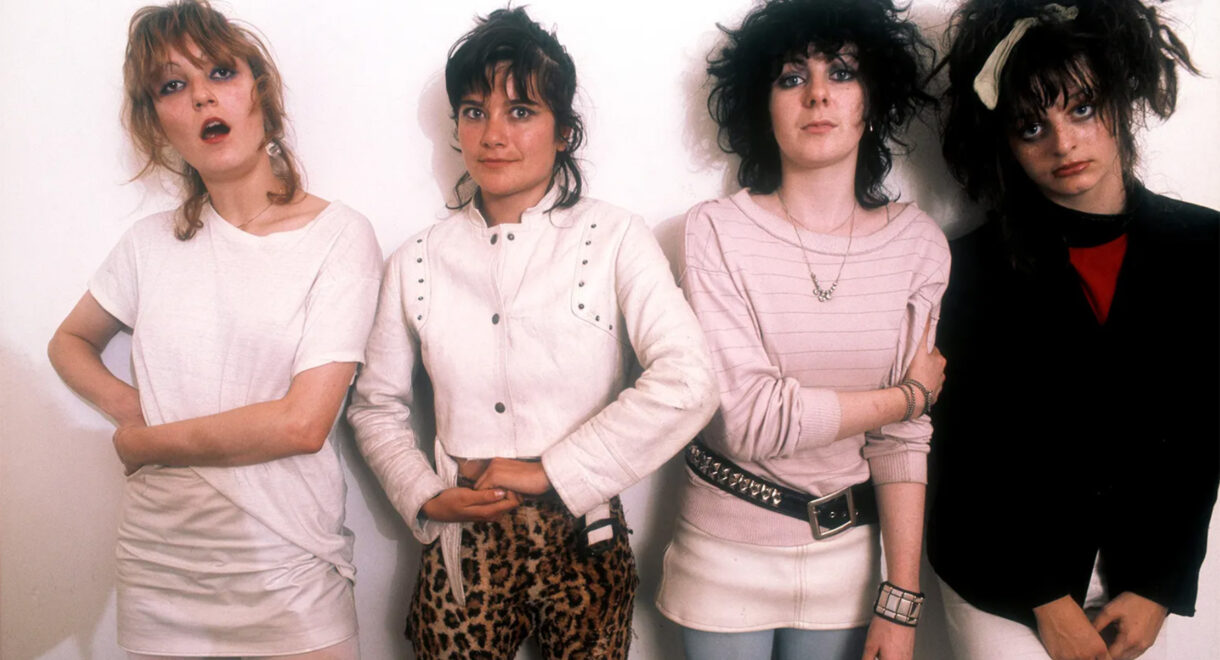
Watch a documentary on the iconic all-female post-punk dub band! Originally released in 2016, Here to be Heard: The Story of The Slits is a documentary on the […]

Watch a documentary on one of the great cult figures of 20th century American music. Jerry Williams Jr. aka Swamp Dogg might not be a household name, but […]