



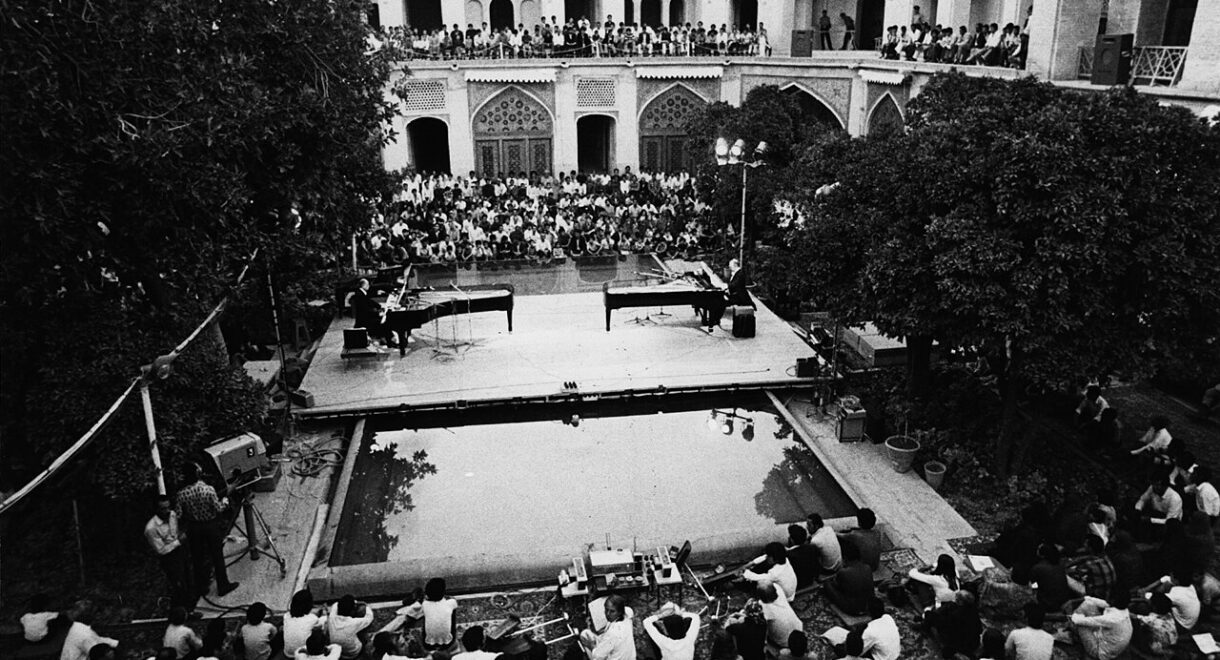
Anthology Of Persian Experimental Music is now available on Bandcamp as a pay-what-you-want download. When Italian curator Raffaele Pezzella began researching experimental music scenes for his label Unexplained Sounds Group, […]


Last month, British dance-pop mainstays Saint Etienne, the trio of vocalist Sarah Cracknell and songwriters Bob Stanley and Pete Wiggs, announced via YouTube that they will play one final run of UK and Irish shows next September, closing the book on more than 35 years as a band. “We’re excited — but slightly teary — to bring you news of our final UK / Irish tour,” they wrote. The announcement followed their decision last year to bring Saint Etienne to a close with one last album.
Saint Etienne arrived in the early 1990s with a gentle but persuasive rebuttal to the idea that British electronic music had to be hard or impersonal. Their first wave of singles, from the needle-sharp rush of their Neil Young cover “Only Love Can Break Your Heart” to the pillowy melancholy of “Nothing Can Stop Us,” fused club culture, indie guitar pop and a near-scholarly love of 1960s girl-group melodrama into the same three minutes. Even now, Foxbase Alpha doesn’t feel like a debut so much as a curatorial statement, Cracknell’s voice drifting through a private museum of pop memory. So Tough pushed further into groove and dubby haze, often cited as an early trip-hop waypoint, while Tiger Bay sharpened their melodic instincts into something both wistful and quietly futuristic.
Casino Classics, the 1993 remix collection that landed between Tiger Bay and the band’s mid-90s turn toward widescreen pop, plays like a parallel history of Saint Etienne’s early years. Instead of a stopgap, it captured their songs being refracted through the era’s most imaginative producers.
Broadcast smears Cracknell’s voice into woozy analogue dream-pop, Aphex Twin twists their melodies into new rhythmic shapes, and mixes from Andrew Weatherall, A Guy Called Gerald, David Holmes and the Chemical Brothers push the music toward dub, techno and breakbeat without draining its emotional core. Heard now, it sounds less like a remix album than a snapshot of early-90s British electronic culture in motion, with Saint Etienne at its center. Buy this if you find it in the wild.
Across 13 studio albums and a dense web of compilations, Saint Etienne never chased a single stylistic arc so much as wandered through pop history with intent. Records like Sound of Water and Tales of Turnpike House leaned into atmosphere and widescreen texture, while later albums found new emotional angles.
Home Counties wrapped suburban England in warm synths and rueful hooks, I’ve Been Trying to Tell You turned samples and found sound into a soft-focus meditation on memory, and The Night drifted through late-evening pop with a lived-in calm. Stanley once described the band’s method as taking “things that are good from certain periods” and bending them toward the present, a way of keeping old ideas alive rather than embalmed.
That independence was not just aesthetic. Wiggs has long argued that staying outside the machinery of celebrity kept the band intact. “We may have been richer on a major, but we may also have burnt out early,” he said last year when announcing their final album. “Being independent has given us more control, more choice and some of those decisions might be commercially bad, but artistically good. I still get excited about new technology, and I’m a bit like a kid internally, so I haven’t changed that much since we started out.”
Their swan song, International, was designed as a deliberate closing chapter rather than a fade-out. “I like career arcs,” Stanley said. “It feels like a natural conclusion. With this album there’s a sense of getting the school year back together. It’s one closing act that ties the loose ends up.” Cracknell framed the decision in emotional terms. “We all have different reasons for why it’s time to say goodbye, but for me I always wanted to finish on a high. I didn’t want to dribble off. We wanted this to be a peak. There’s going to be a lot of tears. There are no egos, which is the fundamental thing. There’s no bickering or arguing, we’ve never fallen out or had a row, ever.”
That stability runs deep. “I’ve been friends with Pete since we were in pushchairs,” Stanley said. “We never did that thing of touring the US for six months. We took time off when we probably shouldn’t have. It meant we stayed friends, which was important, and every time we started a new project it was fresh.”
In late 2024, the trio marked that history at the British Library, joining Classic Album Sundays founder Colleen ‘Cosmo’ Murphy for a public conversation about Foxbase Alpha. Released in 1991 on Heavenly Recordings, the album captured a moment when indie pop, dance music and cinematic lounge culture briefly shared the same air, and three decades later it still sounds like a map of everything Saint Etienne would become.
Anthology Of Persian Experimental Music is now available on Bandcamp as a pay-what-you-want download. When Italian curator Raffaele Pezzella began researching experimental music scenes for his label Unexplained Sounds Group, […]
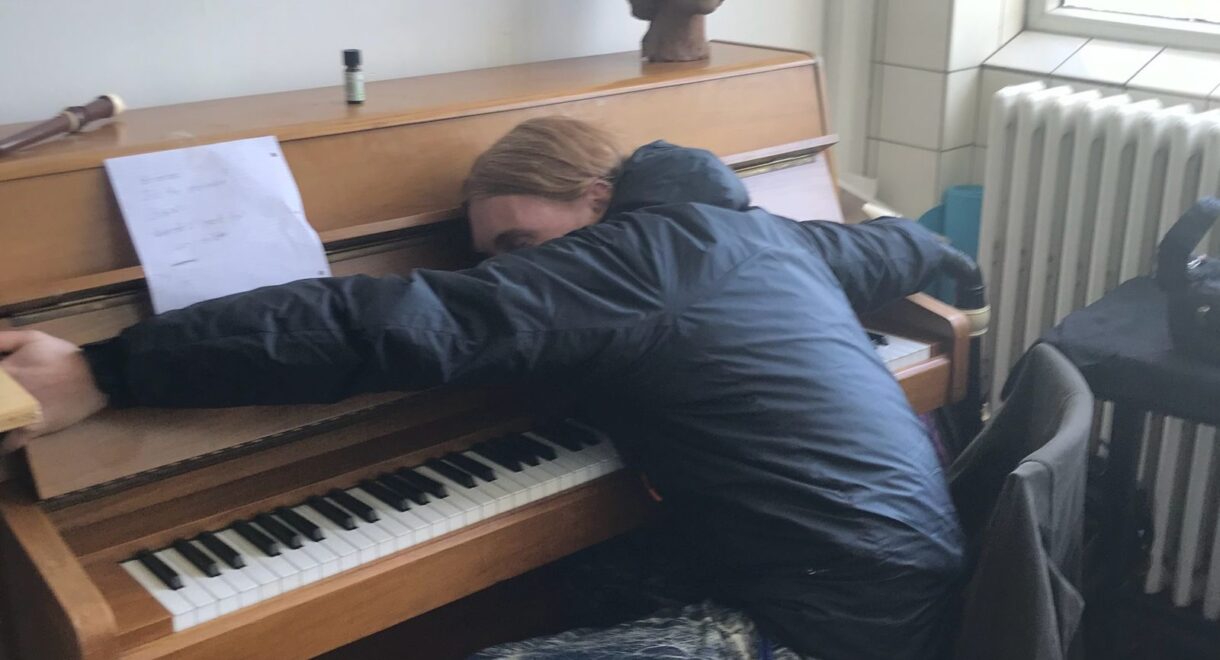
Thursday: Don’t miss a 5 GATE TEMPLE showcase at Plaza Nightclub featuring Petrols, Kelman Duran, and John T. Gast. Founded in 2015, the label 5 GATE TEMPLE emerged from the […]
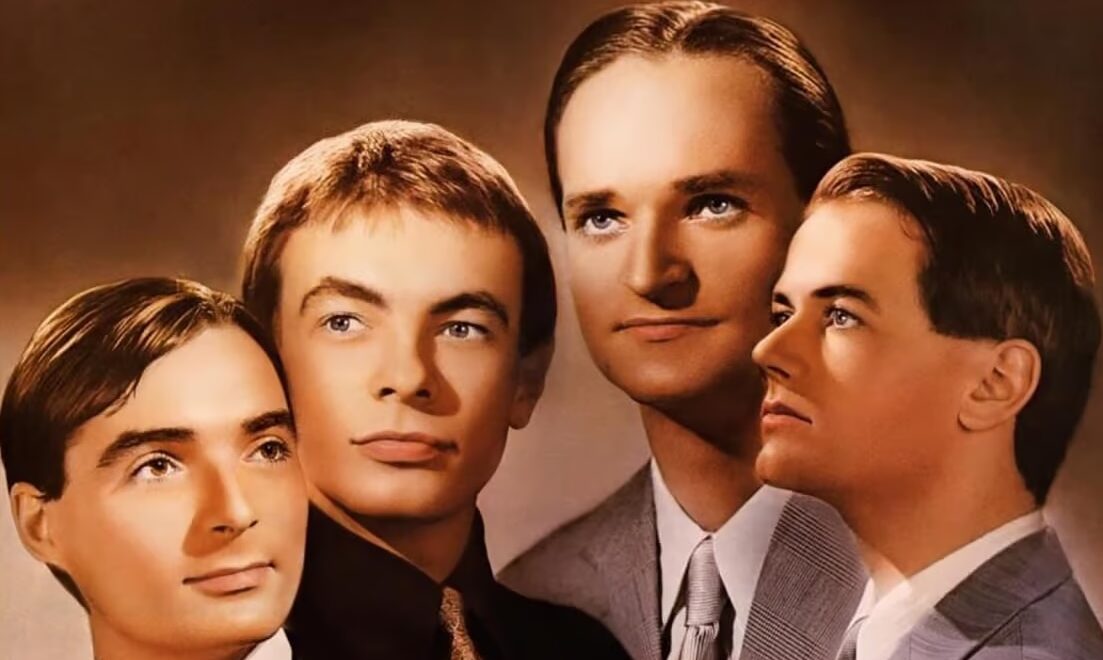
Read a very long, very fascinating interview with Ralf Hutter and Florian Schneider from Synapse Magazine, 1976. In 1976, Kraftwerk sat at a strange, newly powerful crossroads. Autobahn […]

Begin with the performance, stay for How to Rescue Things, Orcutt’s 2024 album that deepens the picture. Every once in a while it’s important to watch an artist […]
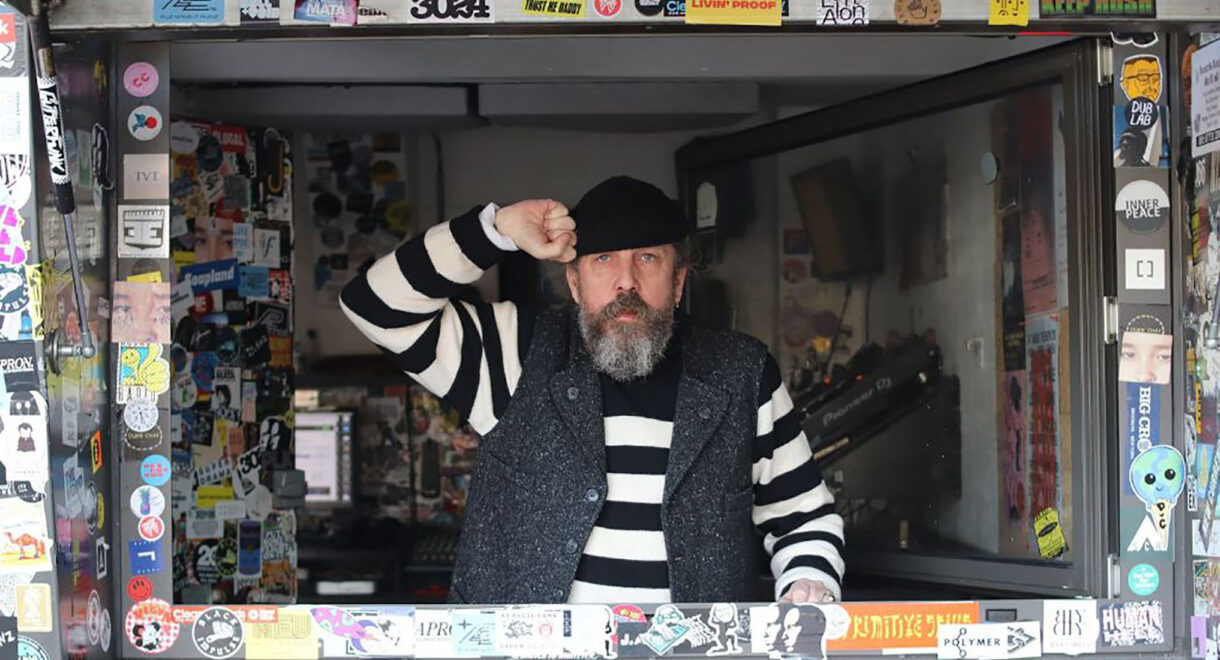
A candid 1996 interview from Jockey Slut captures Andrew Weatherall at a moment of recalibration, reflecting on Sabres of Paradise, remix culture, DJ life, Two Lone Swordsmen and his deliberate […]
Broadcast on the first Thursday of each month and archived on Mixcloud, the World of Sound puts our curatorial approach on the air. Readers not in Southern California […]