



Thursday: Don’t miss a 5 GATE TEMPLE showcase at Plaza Nightclub featuring Petrols, Kelman Duran, and John T. Gast. Founded in 2015, the label 5 GATE TEMPLE emerged from the […]


When Italian curator Raffaele Pezzella began researching experimental music scenes for his label Unexplained Sounds Group, one discovery reshaped his sense of the landscape. “No doubt about it, the discovery of the Iranian experimental music scene,” he told Sideline in 2020 when asked about the collection that most surprised him. “The number of musicians playing electronic music, electro-acoustic, dark-ambient and avant-garde is simply impressive there. I wouldn’t ever imagine such abundance of projects.”
That abundance led him into history. As Pezzella studied the evolution of new music in Iran, he found that in the 1970s the government had provided what he described as “a home for the flowering of electronic music and avant-garde arts.” The Shiraz Arts Festival commissioned and presented figures including Iannis Xenakis, John Cage, Gordon Mumma, David Tudor and Karlheinz Stockhausen. Performances occurred in the south-central Iranian city of Shiraz and in the nearby ancient ceremonial sites of Persepolis and Naqsh-e Rostam.
Western avant-garde works appeared alongside traditional Persian music, dance, drama and contemporary Iranian cinema. Plans were developed for a significant arts center that would include state-of-the-art electronic music and recording studios. A new generation of Iranian composers integrated contemporary techniques and electronics into their work. “Further developments within Iran came to a halt with the coming of the Islamic Revolution in 1979,” Pezzella said.
Anthology Of Persian Experimental Music, released by Unexplained Sounds Group, documents contemporary Iranian artists working in electronic and experimental forms, the very scene Pezzella described as unexpectedly vast. It insists on specificity at a moment when nuance is being obliterated by military illogic.
The label is currently offering the anthology on a pay-what-you-want basis via Bandcamp, an open gesture in a week defined by closed fists. In the wake of this profoundly disturbing turn, listening is hardly a solution. It is, however, a refusal to let an entire culture be flattened into the language of bombs.
Thursday: Don’t miss a 5 GATE TEMPLE showcase at Plaza Nightclub featuring Petrols, Kelman Duran, and John T. Gast. Founded in 2015, the label 5 GATE TEMPLE emerged from the […]
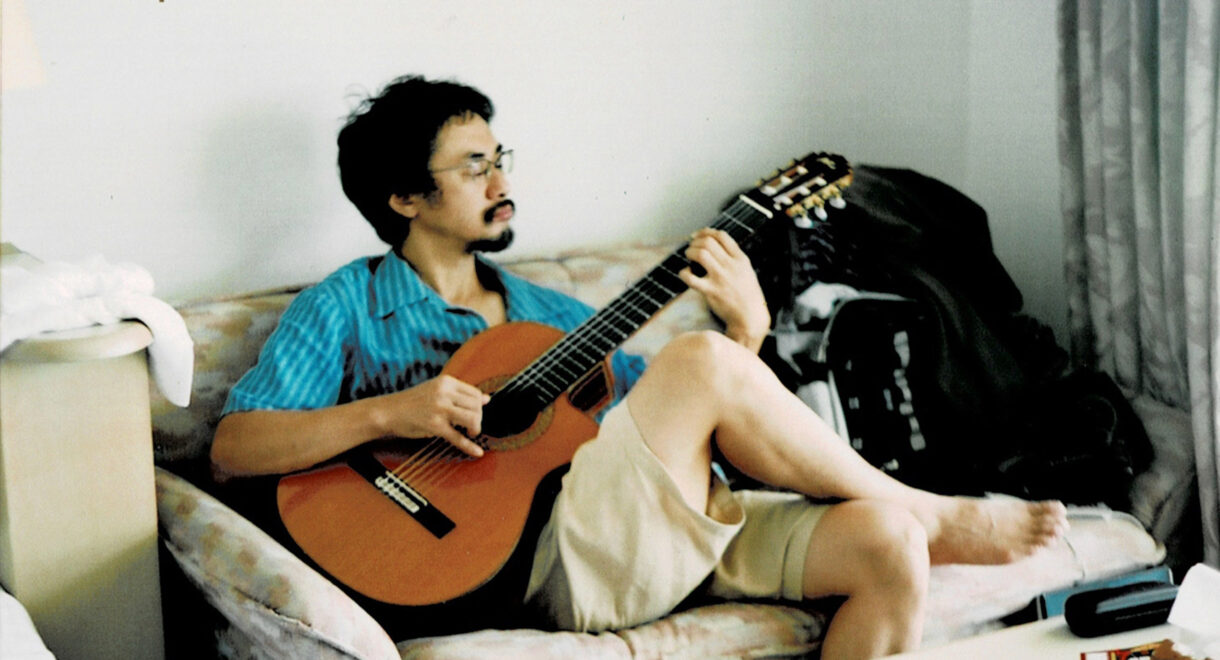
Hiroaki Sugawara’s Rain Guitar is available on vinyl for the first time via Forest Jams. In 2019, Shotaro Matsumoto, the renowned manager of Coconuts Disk Ekoda, published a […]
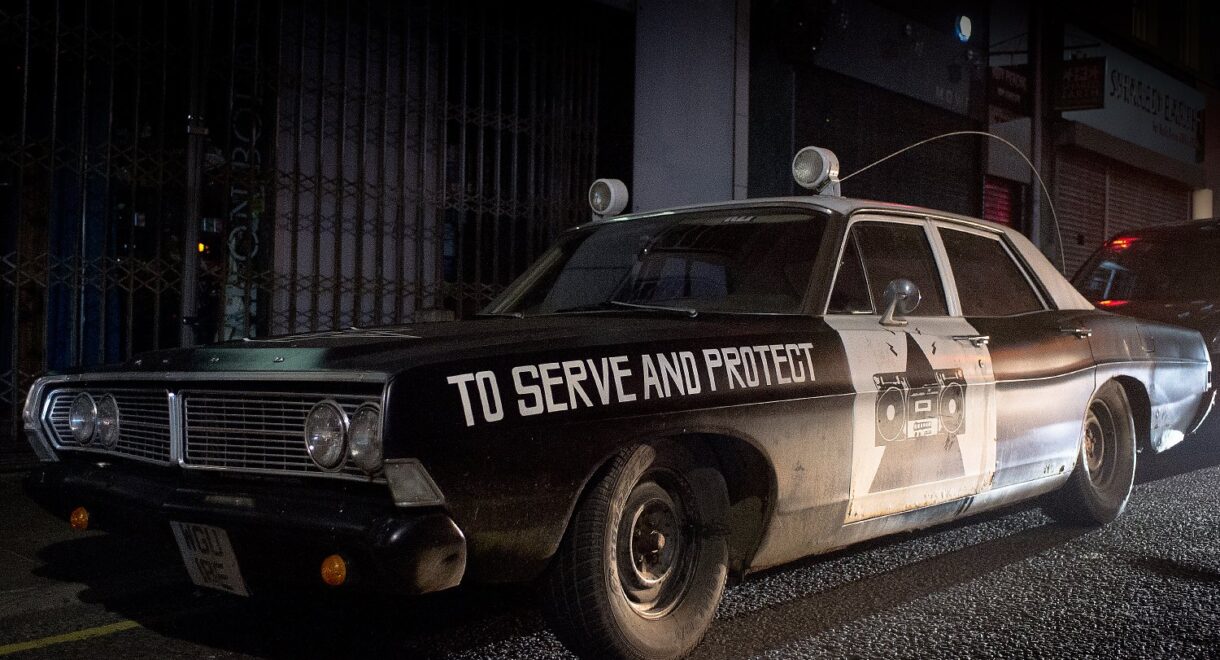
By the time The KLF released The White Room in 1991, they had already proven two things. First, that the charts were a system to be gamed. In 1988, as The […]
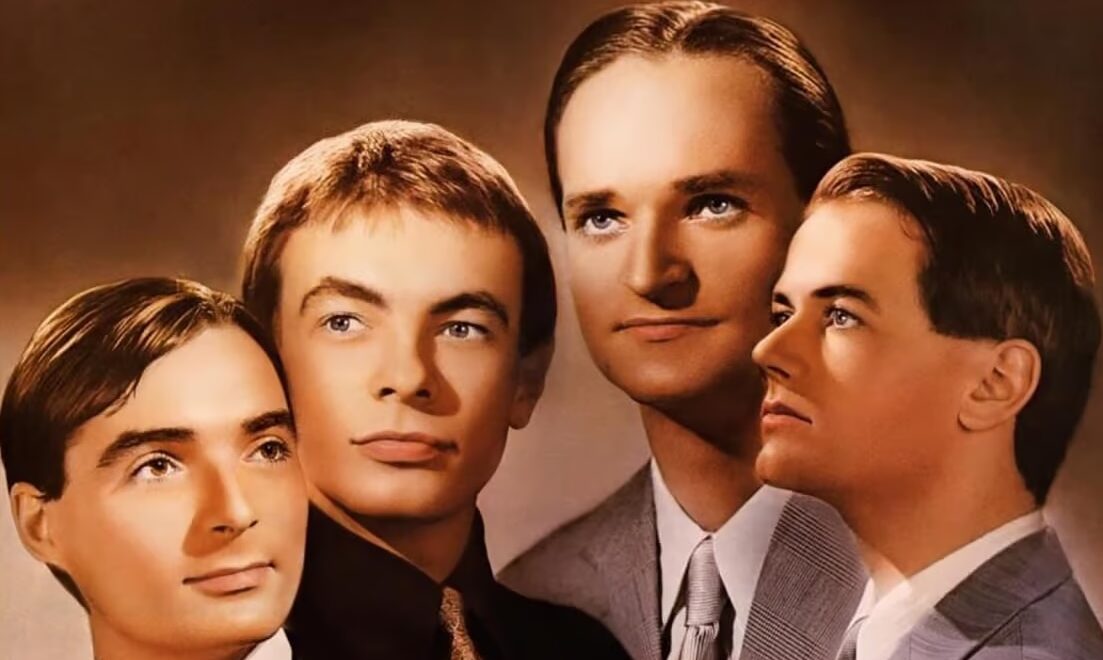
Read a very long, very fascinating interview with Ralf Hutter and Florian Schneider from Synapse Magazine, 1976. In 1976, Kraftwerk sat at a strange, newly powerful crossroads. Autobahn […]

Begin with the performance, stay for How to Rescue Things, Orcutt’s 2024 album that deepens the picture. Every once in a while it’s important to watch an artist […]
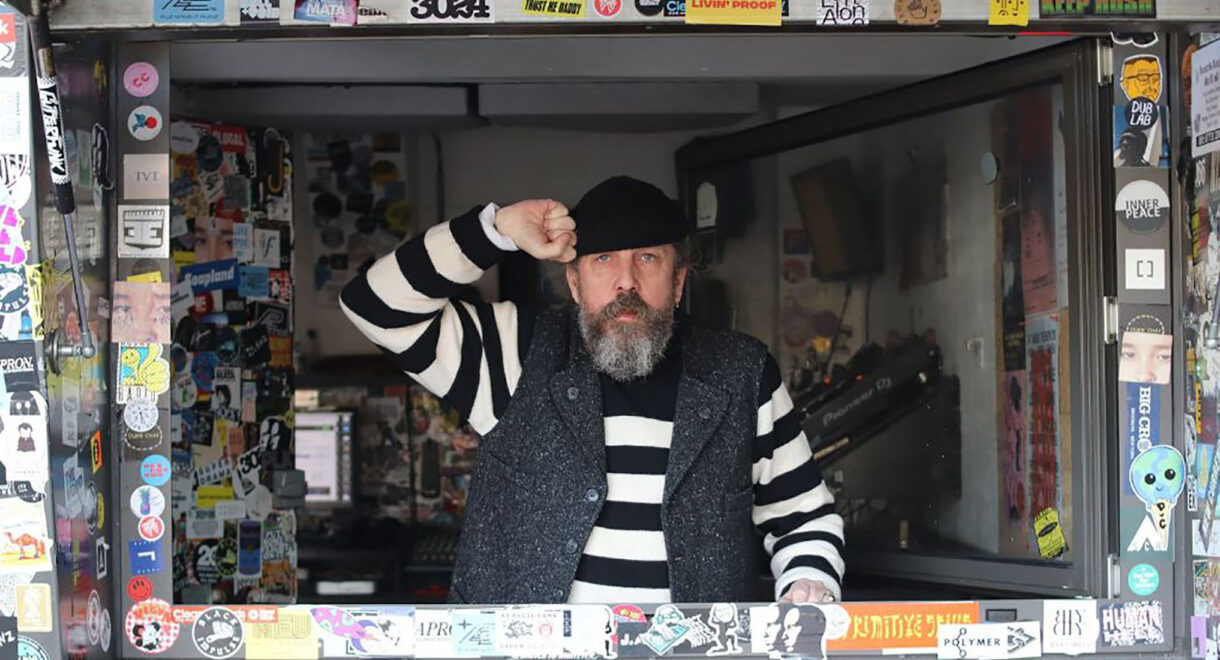
A candid 1996 interview from Jockey Slut captures Andrew Weatherall at a moment of recalibration, reflecting on Sabres of Paradise, remix culture, DJ life, Two Lone Swordsmen and his deliberate […]