




One final list to close out the year… Our personal favorite discoveries of 2025. We don’t often share our faces here at In Sheep’s Clothing. Whether it’s due […]


La Sonora Ponceña is a Puerto Rican salsa band founded in 1954 by Enrique “Quique” Lucca Caraballo. The group first hit the scene in Ponce, playing mostly small local parties, but would later make a name for themselves in the ’60s in New York, where they became one of the most highly demanded bands among Hispanic fans. Crucial to the band’s success was the visionary genius of Papo Lucca Jr., the son of “Quique” and a prodigy who joined the band when he was only five years old.
From his early days playing piano while standing on coca-cola crates, it was clear that “Papo” had a special gift. By his 20’s, Papo became La Sonora’s musical brain, responsible for the group’s most iconic arrangements and innovations in fusing Cuban styles with modern jazz. Equally inspired by Afro-Cuban music of the Caribbean and the jazz soundscapes of performers like Oscar Peterson and Bill Evans, “Papo” would bring an openness to experimentation and complexity to the band’s sound. His piano solos – velvety, complex, endlessly fascinating – would remain at the core of La Sonora Ponceña’s identity.
For an introduction to the band’s music, listen to “Nica’s Dream Mambo,” which masterfully expands Horace Silver’s trumpet-led jazz standard “Nica’s Dream” with a killer Cuban mambo groove and gorgeous string arrangement. It’s a Sonora Ponceña classic and showcases Papo Lucca Jr. skill in arrangement and transforming standards into something entirely new.
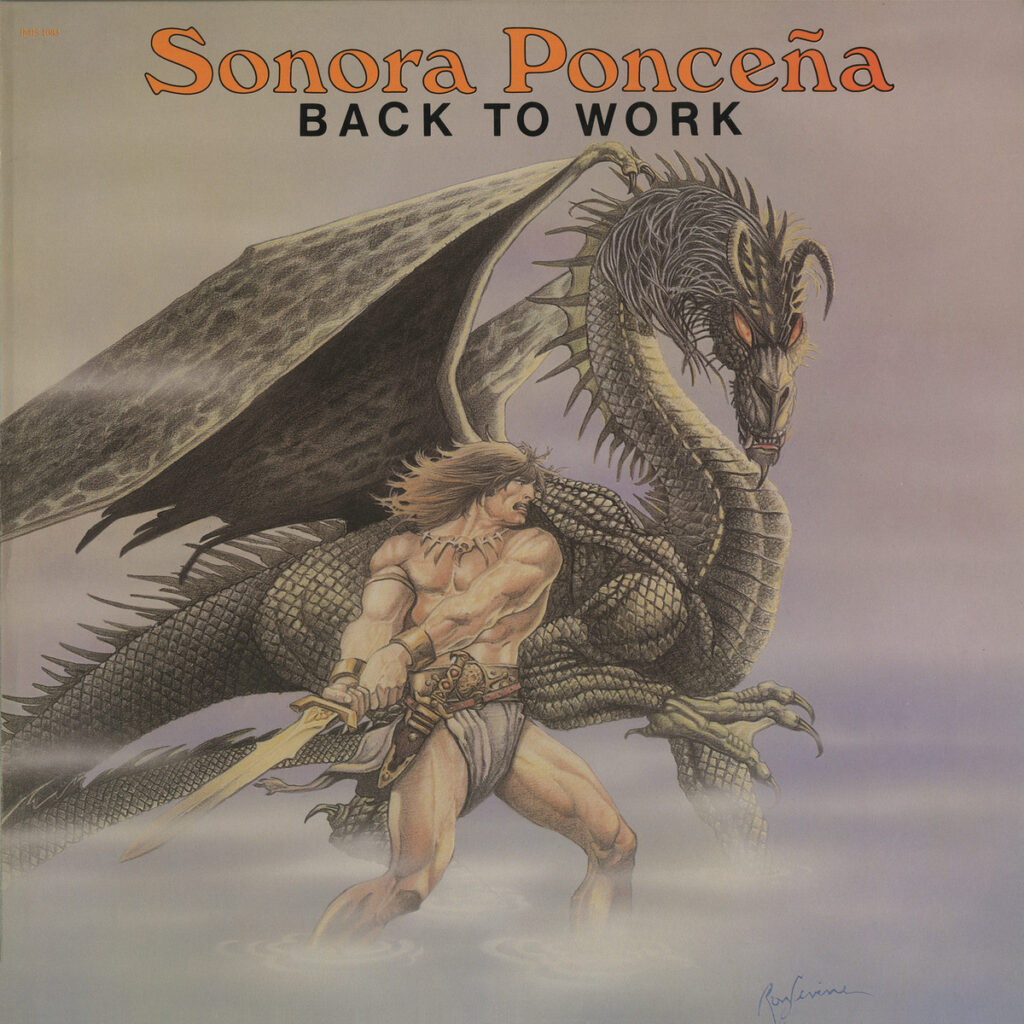
Beyond their innovations in Salsa and Latin jazz, La Sonora Ponceña is also notable for their iconic album artworks, which, starting from 1972, featured fantastical hand-drawn illustrations of warriors, dragons, and later even science-fiction elements. Salsa fans have long-wondered if there was a hidden meaning behind these somewhat bizarre comic book album covers. The topic interested us as well, as we had researched a similar trend in larger-than-life Superhero Art in Dub reggae albums.
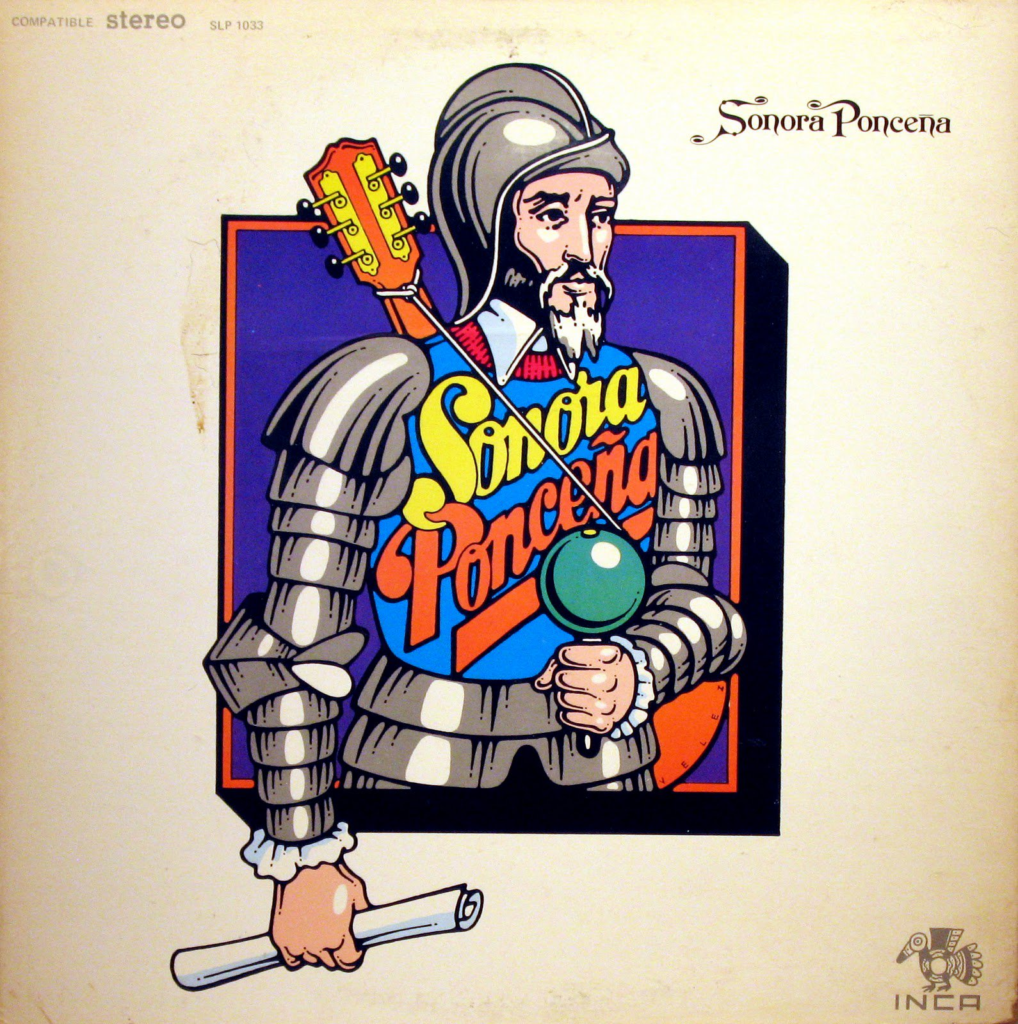
A twitter thread by salsa historian Juana Peña, explained that these illustrations began as an homage to the Spanish conqueror Ponce de León, who first settled in Puerto Rico and is the namesake for Sonora Ponceña hometown. Sonora Ponceña’s 1972 self-titled album on Inca Records (which later became the revered Fania Records) features Ponce with a guitar slung over his shoulder and the group’s name painted onto his armor.
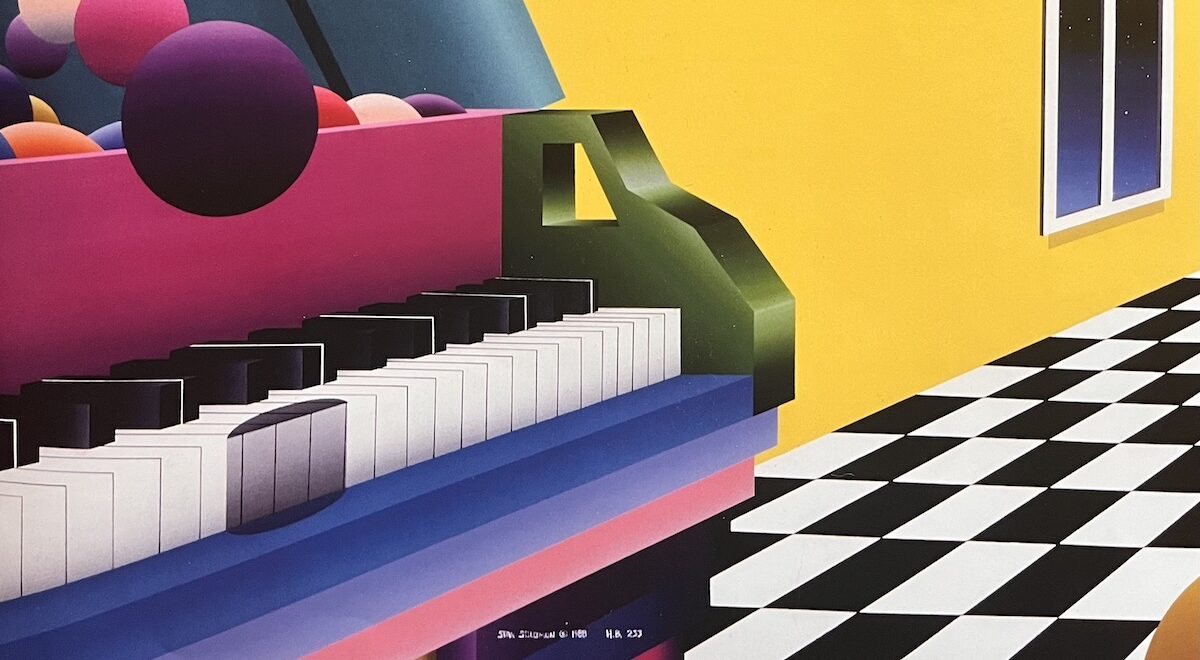
By 1976, Sonora Ponceña’s visual direction would be handled and led by illustrator Ron Levine, who would start to bring a more fantastical and comic-book inspired aesthetic to the group’s album covers. Check out one of his earliest works for the group where the Spanish conquistador is transformed into a nobleman mounted with salsa trumpets and galloping across a cosmic keyboard.
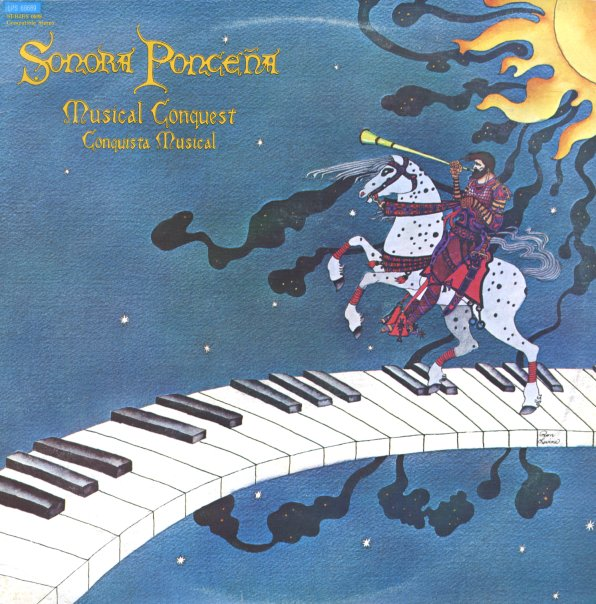
At first glance, it feels as though the more American fantasy style artwork doesn’t quite fit the Latin aesthetic and music. Diving deeper into the story behind these covers, Levine’s concept was actually to use the album covers to bring Latin music to the same visual level of American rock bands and artists like Boston, ELO, Earth, Wind, Fire, Kiss and Yes, who had already been using illustration-driven styles in their covers. With his proposal for the covers, Levine wanted to show that Latin music was one of the biggest music scenes in the world. He wanted that same care and detail put into the album covers with each of the covers to treated as a work of art.
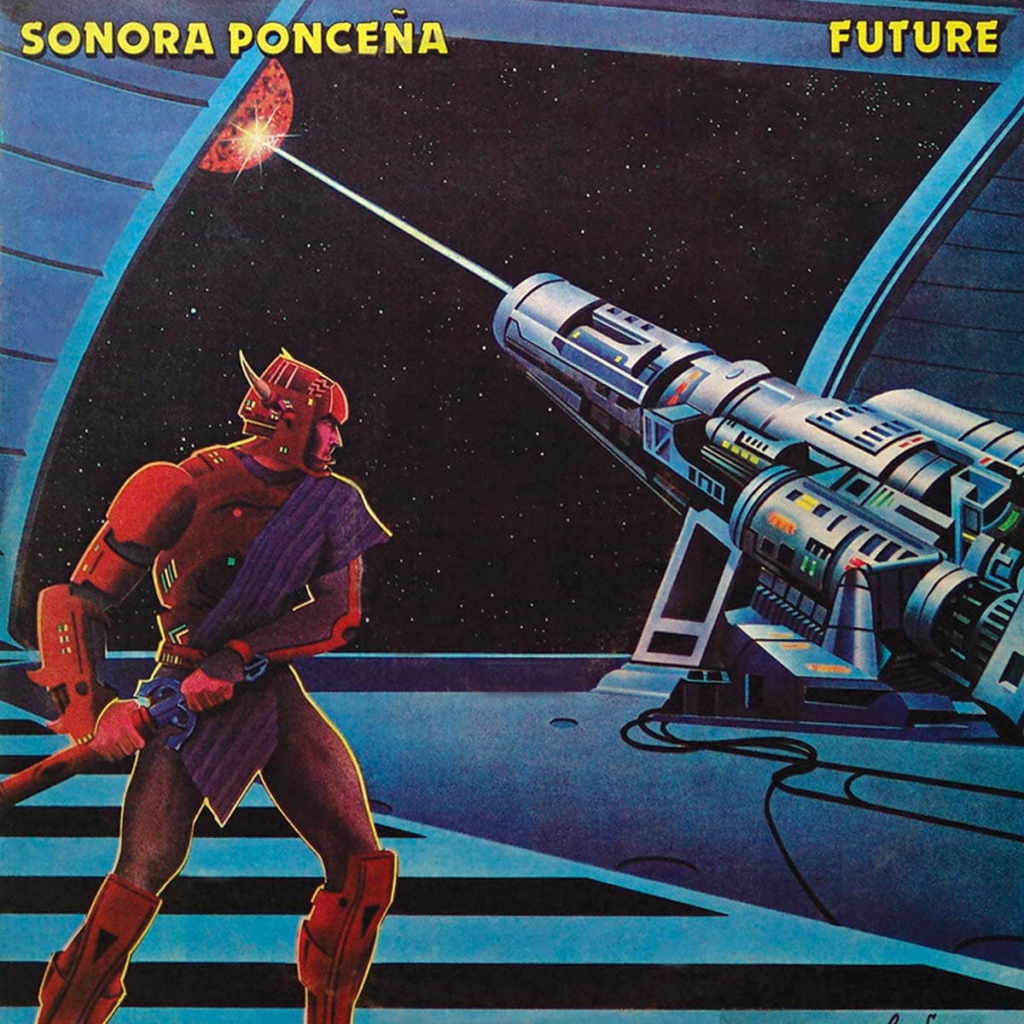
Later albums would even feature science-fiction elements, and mirror the group’s sonic advancements into digital musical technology.
One final list to close out the year… Our personal favorite discoveries of 2025. We don’t often share our faces here at In Sheep’s Clothing. Whether it’s due […]
Paradise is a Frequency’s double LP with Numero Group, ’The Style of Life,’ reminds us that some of the most revealing parts of a record never make a […]
A conversation with Ansonia’s Liza Richardson and Souraya Al-Alaoui about the label’s history, revival and future, tracing a catalog of merengue, jibaro, bolero and salsa that has anchored […]

Join us Friday, July 25th alongside ZZK Records for a special listening session with Colombian innovator Eblis Álvarez. “Think Zappa meets Joe Arroyo, Kraftwerk crashes into Andrés Landero.” […]
What happens when a little extra cardboard changes everything. In record packaging, no format carries more weight, physically or symbolically, than the gatefold sleeve. Oversized and deliberately tactile, […]
A look at the artist who fused sound, sex, spirit, and style across decades of iconic album art. Few album cover artists reward gobbling LSD more than Mati […]