




“O Dengo Que a Nega Tem,” hidden for 50 years, delivers 7 minutes of slow-building, percussive bliss. In 1972, Gal Costa was riding high. Her live album Fa-Tal – Gal a Todo Vapor had just cemented her as one of […]


Here’s one truism that has never let us down: If the late Brazilian percussionist Naná Vasconcelos is involved, drop the needle on it. Following that instinct led us, a few clicks into a casual search of live Vasconcelos performances, to the below hour-long set with guitarist Egberto Gismonti, recorded in Perth, Australia, in 1984. It didn’t take long to realize this wasn’t some stray archival curio but a performance worth sharing.
Beautifully recorded, what unfolds is an unhurried conversation for Australian television shaped by listening, pacing and touch. Gismonti is such a virtuoso on the 10-string that even his pre-song tuning moments shimmer with rhythm and melodic intent, less throat-clearing than intention setting.
Both musicians entered the ECM orbit in the 1970, building parallel careers through solo records and collaborations that helped stretch the label’s reach without diluting its focus. Vasconcelos moved easily through that universe alongside Don Cherry, Collin Walcott, Pat Metheny and Ralph Towner. His primary instrument was the berimbau, but his setup typically expanded to include frame drums, hand percussion, shakers, bells, body percussion and voice. Gismonti, meanwhile, recorded extensively on both piano and guitar for ECM in solo and ensemble settings, collaborating with artists such as Jan Garbarek, Charlie Haden and Vasconcelos, while sharpening a language that moved freely between composition and improvisation.
Let loose onstage, both favor understatement. The focus moves from delicately tapped, closely mic-ed sounds, small gestures given room to register, and wild eruptions. Each Vasconcelos thump carries pitch as much as pulse. Gismonti answers with lines shaped by patience and touch, unfolding carefully before opening into brief, well-timed passages of fretboard virtuosity.
Their partnership goes back to Dança das Cabeças, recorded in November 1976 at Talent Studio in Oslo. The album was meant to be Gismonti’s first solo release for ECM, but Brazil’s military dictatorship had driven international travel costs high enough to leave his band at home. Gismonti traveled alone. While preparing for the session in Norway, he met Vasconcelos by chance and invited him in. Asked to describe the idea behind the music, Gismonti called it “the history of two boys wandering through a dense, humid forest, full of insects and animals, keeping a 180-feet distance from each other.” Vasconcelos agreed immediately. Above is a 1996 performance of the album’s title track.
On the record, Gismonti plays 8-string guitar, piano, wood flutes and voice, while Vasconcelos contributes percussion, berimbau, corpo and voice. Engineered by Jan Erik Kongshaug and produced by Manfred Eicher, that session established the working balance between them.
Like Vasconcelos’ work, Gismonti’s rewards investment and, when credited in liner notes, usually signals a deeper vein nearby. Circense, his sublime 1979 album, opens in a rush, all motion and momentum, then gradually reveals its balance and breadth. “Equilibrista,” above, is gloriously insane.
“O Dengo Que a Nega Tem,” hidden for 50 years, delivers 7 minutes of slow-building, percussive bliss. In 1972, Gal Costa was riding high. Her live album Fa-Tal – Gal a Todo Vapor had just cemented her as one of […]

A rare, behind-the-scenes look into the pioneering composer, vocalist and multi-instrumentalist Annette Peacock. “Her music is without time…” A true original, Annette Peacock has lived what seems like […]
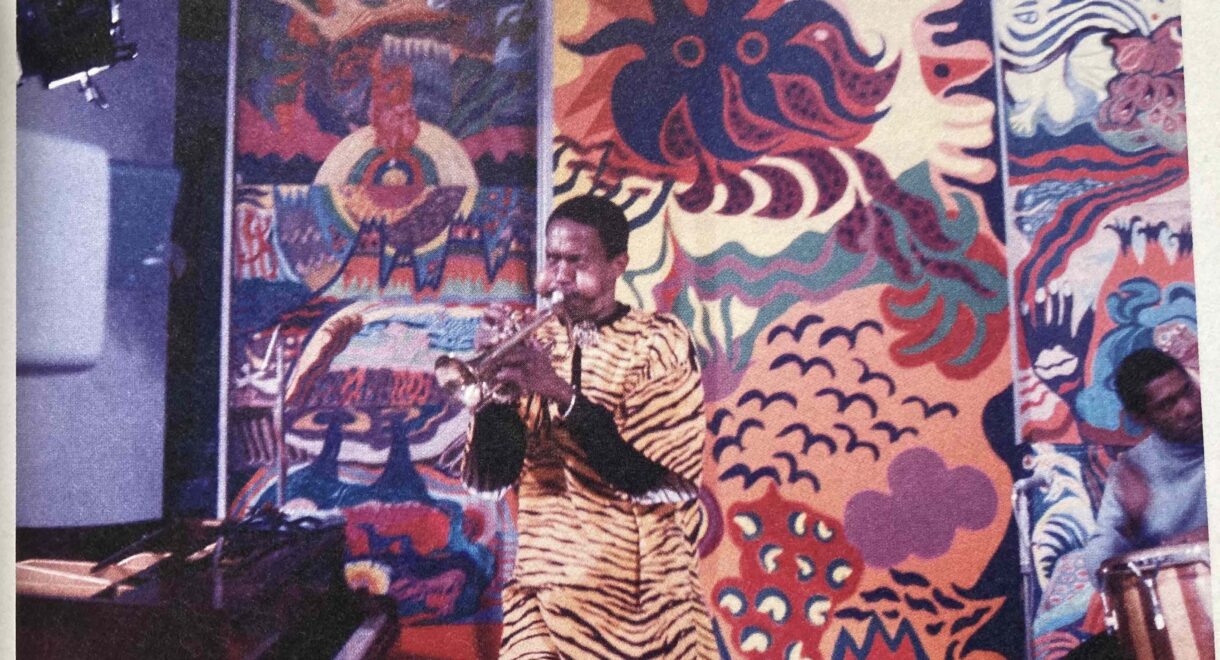
An archival interview with organic music master Don Cherry from Musician Magazine in 1983. I went to Morocco in 1964. That was my first big adventure, the first […]
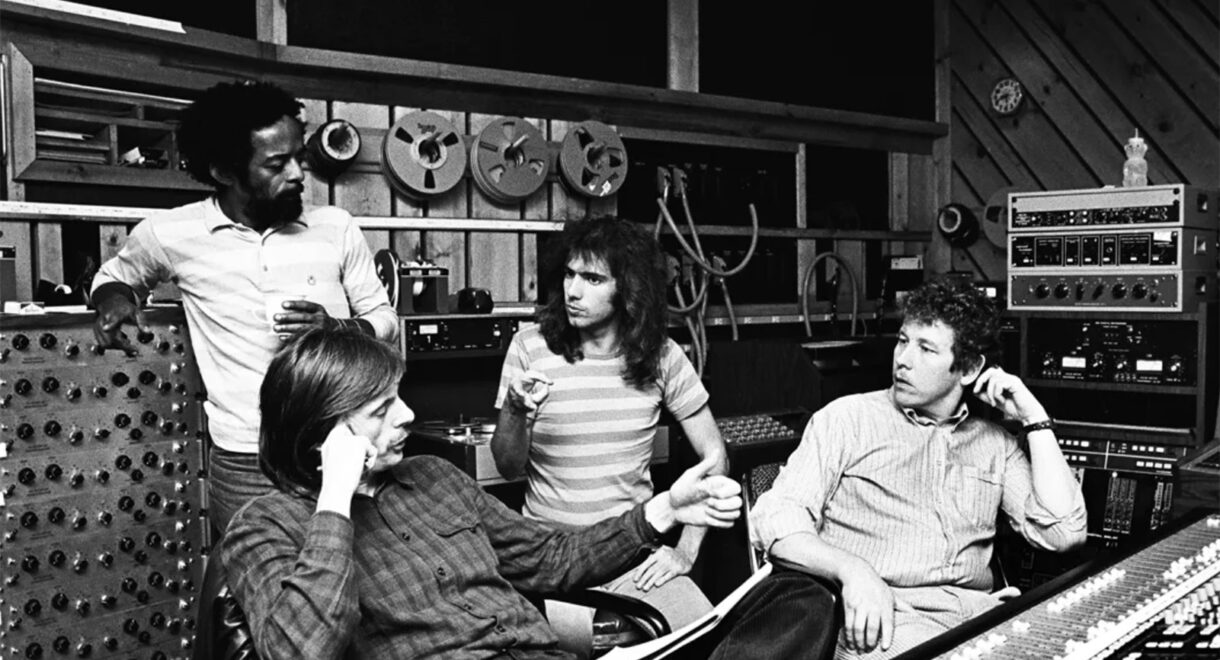
Manfred Eicher speaks to music journalist Zachary Moldof in New York City. Here’s an archival interview with the great Manfred Eicher, founder of Edition of Contemporary Music aka […]

For our next Art & Design in focus, we highlight the work of Maja Weber, wife of German bass icon Eberhard Weber. Arguably the most iconic series of […]
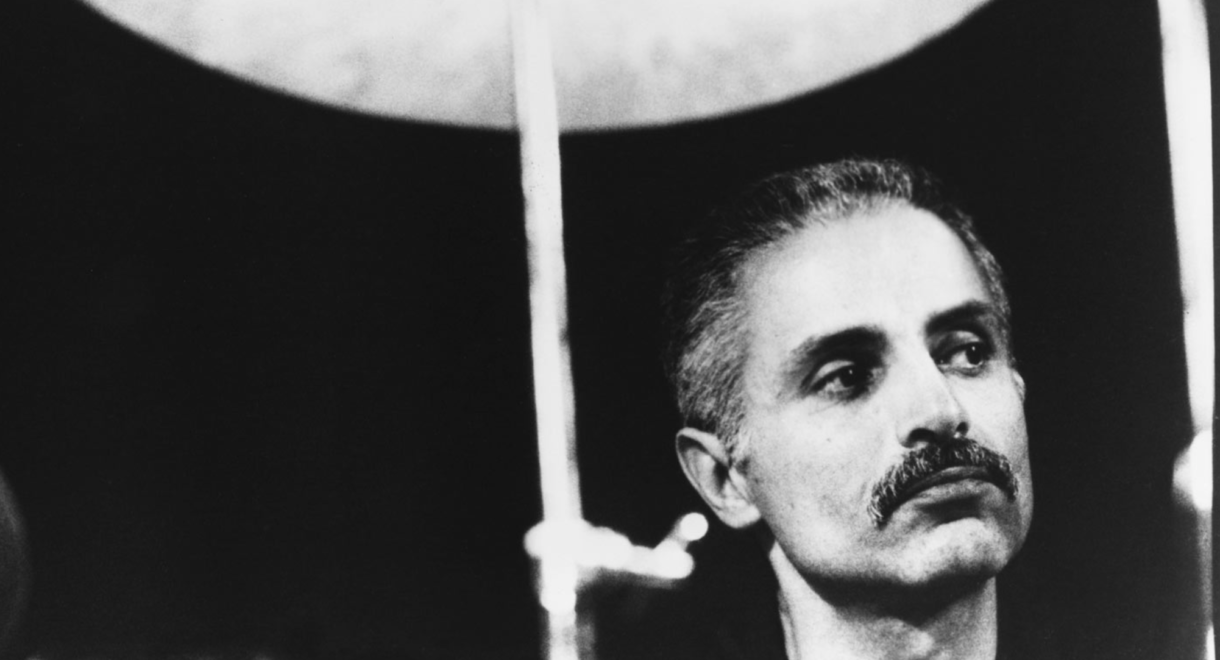
Motian in Motion celebrates the ECM artist as he drums his way through the Village Vanguard, Birdland, the Blue Note, and beyond. Halfway through Motian in Motion, a […]