



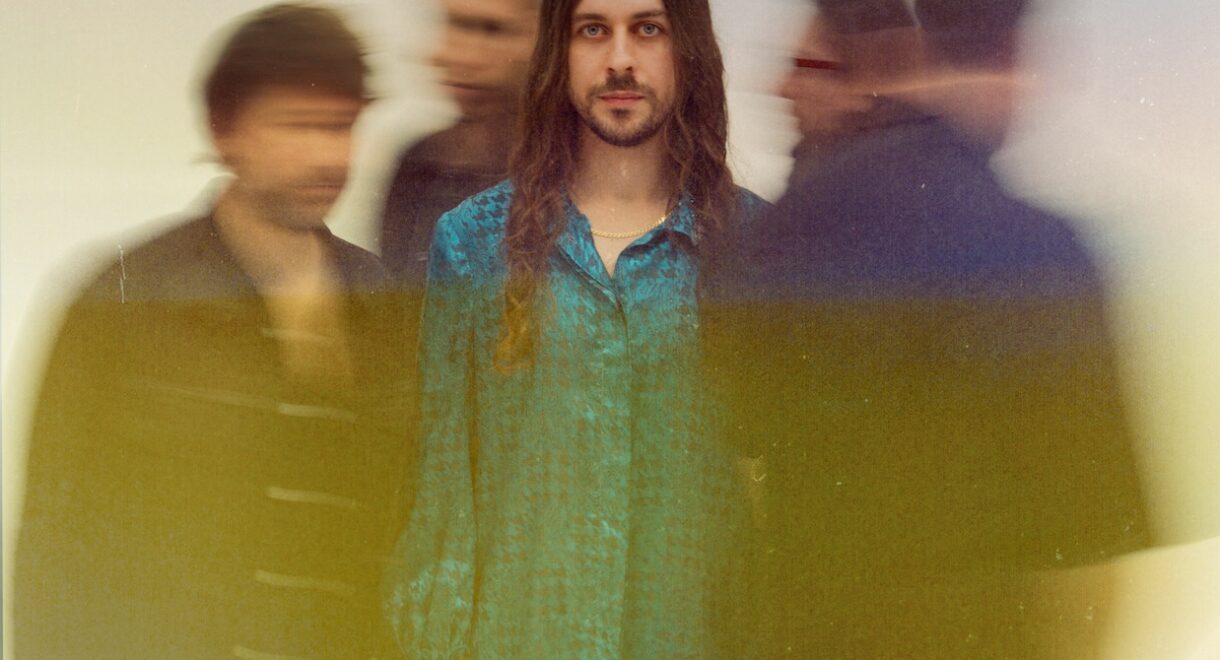
Join us on February 17th at Darling’s hi-fi lounge for an exclusive first-listen of Altın Gün’s upcoming album Garip. Some of the most psychedelic grooves ever recorded, Anatolian […]


As authoritarian regimes continue to rise around the world, today we take a look at one of the great song forms of marginalized people: Raï is a long-standing genre of North African folk music that originated in the 1920’s in Oran, a port city in French-occupied Algeria. First performed in rural settings (hammams, secret cabarets, and weddings), the music is loosely characterized as a blending of traditional folk music with rhythmic drums and socially-conscious lyrics, often touching on topics like love, freedom, despair and social pressures.
The word Raï itself means “opinion” in Algerian Arabic, and the original singers of this underground art form were called ‘cheikhs’ and ‘cheikhas’. Long considered by authorities as a lower art form compared to religious and classical Andalusian music, Raï quickly emerged as the voice of the poor and underheard communities, especially young people and women. The “godmother of Raï,” Cheikha Rimitti was known for her songs describing the woes of the poor, and also being one of the first women to publicly sing about taboo topics such as intimacy, femininity, and the vices of alcohol and sex.
In a 2025 article for Shado Magazine, writer / activist Tommy H recounts the history of the genre. Titled “The Raï Legacy: mapping Algeria’s struggles through its most opinionated music genre”, he describes Raï’s emergence as a song of resistance in the 1940s: “Raï was giving a voice to a whole segment of Algerian society entirely absent from mainstream discourse and culture, especially one tightly controlled under French colonial administration. Raï was cementing its place as ‘a musical statement rebelling against political, social, and religious constraints,’ as defined by ethnographer Nasser Al-Taee.”
Raï music continued to evolve throughout the ’50s and ’60s introducing modern Western instruments including guitars and electrified effects. There’s a lot more to cover during this middle period, including how Raï was banned by the Algerian National Liberation Front and largely shared through bootleg cassettes tapes, but moving a bit forward to the ’80s, Raï was later crucially revitalized by a new generation of young artists, who called themselves “chebs” to distinguish themselves from the the ‘cheikhs’ and ‘cheikhas.’ Artists like Cheb Mami, Cheb Khaled, and Cheb Hasni propelled the genre to an international stage using electronic synthesizers and drum machines to reimagine the traditional percussive grooves into a modern, internationally appealing dance form.
Watch an Al Jazeera documentary on Disco Maghreb, the legendary Raï cassette tape label that played a huge role in the genre’s revival in the 1980’s:
Though lesser known in the West, Raï music continues to be popular around the world, especially with younger generations of immigrants who have connected to the beloved Maghreb genre through its history as a song of resistance and transgression. One London-born Algerian shared her experience in the previously mentioned Shado article:
“Algerians are very traumatised people. We still have a lot to work through. Apart from the beat and sounds being amazing, Raï is emotive. It is super emotional to listen to, especially if I pretend to be my mum listening to it as a kid or way back when it was born during the occupation. That’s not something I’ll ever fully understand. Even though I didn’t experience life during the French occupation, I think it still shapes you generationally. I do my own research on it. Raï music is a nice way to connect to the experiences before me.”
Next Tuesday, January 20th, In Sheep’s Clothing and Zizou will be presenting a “Past, Present, Future” listening session celebrating Maghreb Psychedelic Funk & Raï. Tickets are available now via dice!

Below, a preview of some of the tracks that will be played during the listening session:
Join us on February 17th at Darling’s hi-fi lounge for an exclusive first-listen of Altın Gün’s upcoming album Garip. Some of the most psychedelic grooves ever recorded, Anatolian […]
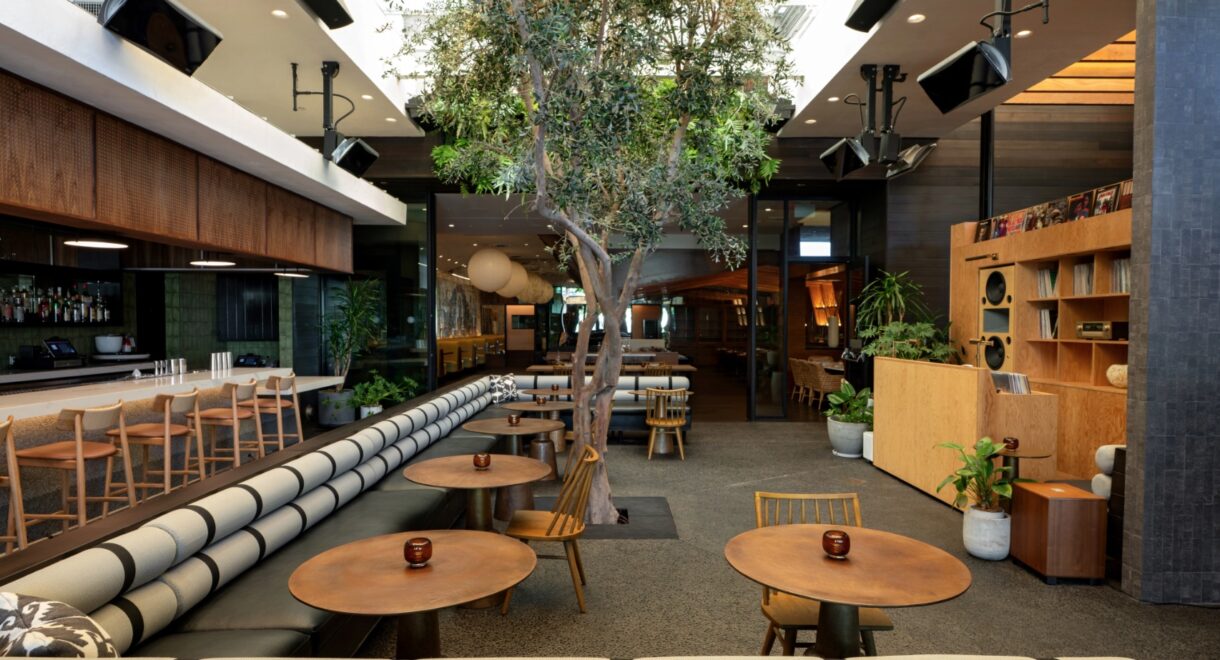
Join us February 17 for the second edition of Record Bizzy at Darling! NYC-based ATO Records will present an exclusive first listening session for Altın Gün’s new album. […]

A communal deep listening session happens Friday, January 30th at Agora Records’ back warehouse space. Sound by Mobius Acoustics. Ever quotable, Richard D. James has always been his […]
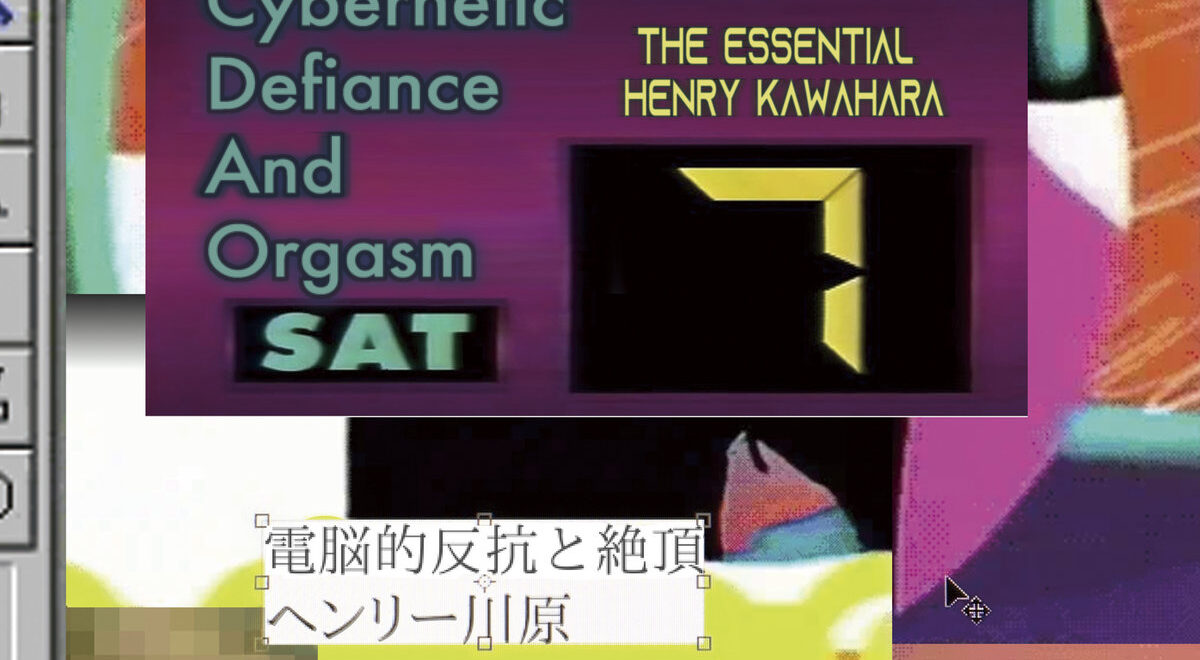
Explore a psychedelic cyber-occult world and break free from Western rationalism through the music of Henry Kawahara. We’re all quite familiar with Kankyō Ongaku by now. The Japanese […]

Cosmic Mount Washington yard pop via Tokyo, Elkins, and Nashville. Yohei Shikano is a Japanese-American singer-songwriter based in Mount Washington, a hillside neighborhood that has over the past […]
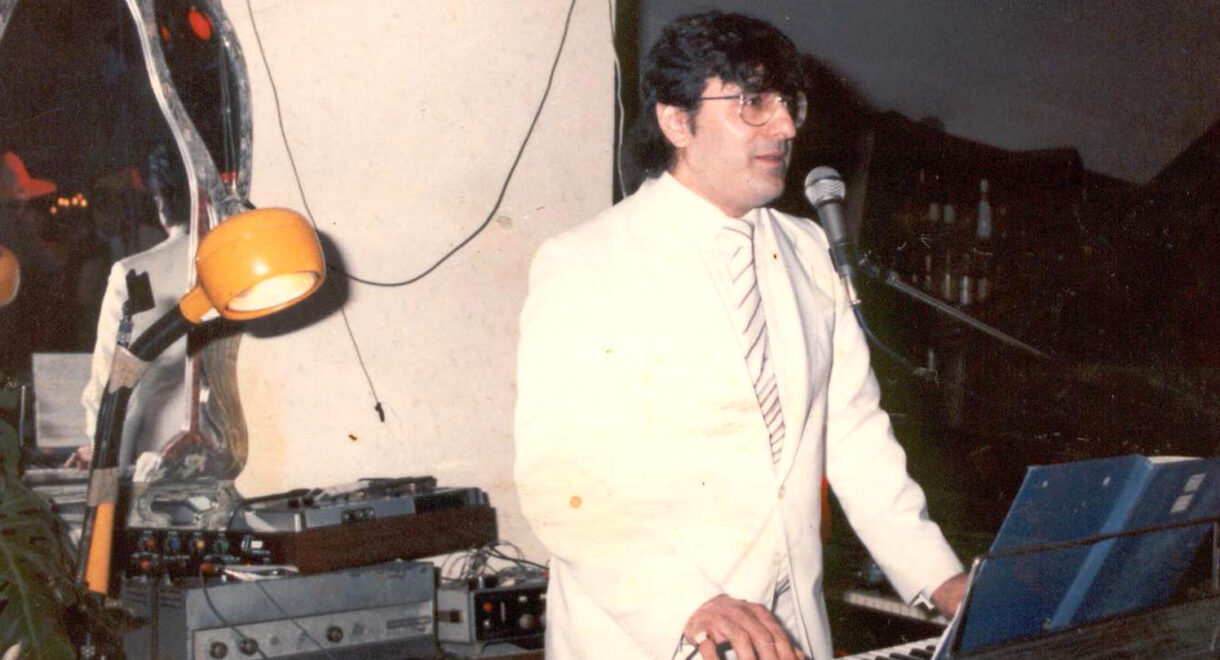
Habibi Funk teams up with LA-based Armenian cultural archivist Darone Sassounian to present Ara Kekedjian’s “Bourj Hammoud Groove.” It’s been a while since we last checked in with […]