




Join us April 3rd for a celebration of Detroit techno at Agora Records featuring listening sessions of classic albums along with a DJ set from Detroit legend Santiago […]


At the final session of our JACCC season last year, PBS joined us for a conversation on Japanese kissa culture and the rise of communal listening in Los Angeles. Led by journalist Perry B. Johnson, the conversation explored the jazz kissa origins of In Sheep’s Clothing, why communal listening is more important than ever in the digital age, and how hi-fi speaker environments shape the listening experience.
“Robeson Taj Frazier and Perry B. Johnson explore the rise of listening spaces in Los Angeles, tracing their roots to Japanese kissaten culture. At Gold Line, Stones Throw Records founder, DJ Peanut Butter Wolf shares his vision for bars that bring people together through sound. At the Japanese American Cultural & Community Center, an evening with In Sheep’s Clothing and Temporal Drift reveals the power of collective music appreciation and the cultural traditions that inspire LA’s contemporary listening spaces.”
The documentary short also heavily features Stones Throw’s Peanut Butter Wolf whose Gold Line bar opened the same year as In Sheep’s Clothing. While his space was designed to feature DJ’s as the selectors, PBW shared how these days he’s enjoying the album listening sessions that are now happening more often at his space. He also shared how crucial hi-fi spaces are these days in an era when people might not have a sound system in their own home.
PBW: “My understanding of the Japanese kissa culture is that you would go to this bar to listen to a whole album on an actual sound system. It would be mostly a lot of jazz import records from the United States that were too expensive for the common person to buy… That’s almost happening again with bars like mine where people don’t have the sound system at their house, and you come here to listen to it, and also to listen with other people who care so much about music.”
Join us April 3rd for a celebration of Detroit techno at Agora Records featuring listening sessions of classic albums along with a DJ set from Detroit legend Santiago […]
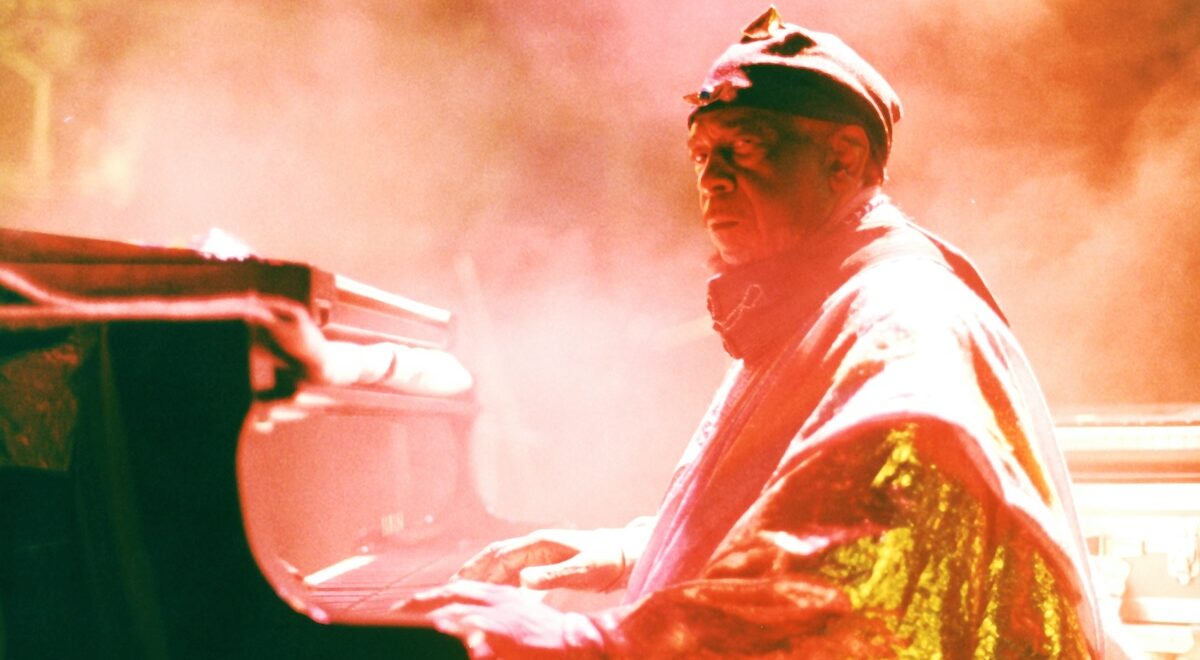
Try fitting a cathedral in a suitcase. That’s the quiet determination behind American Masters turning its lens on Sun Ra, an artist whose life and work feel so […]

At 80, British singer and songwriter Vashti Bunyan remains careful about when she records and why. After decades away, she returned in 2005 with Lookaftering, a record that […]

The story of Slint and the Louisville music culture they emerged from. Recommended by a friend who heard skateboard legend Ray Barbee having an enthusiastic conversation about it […]
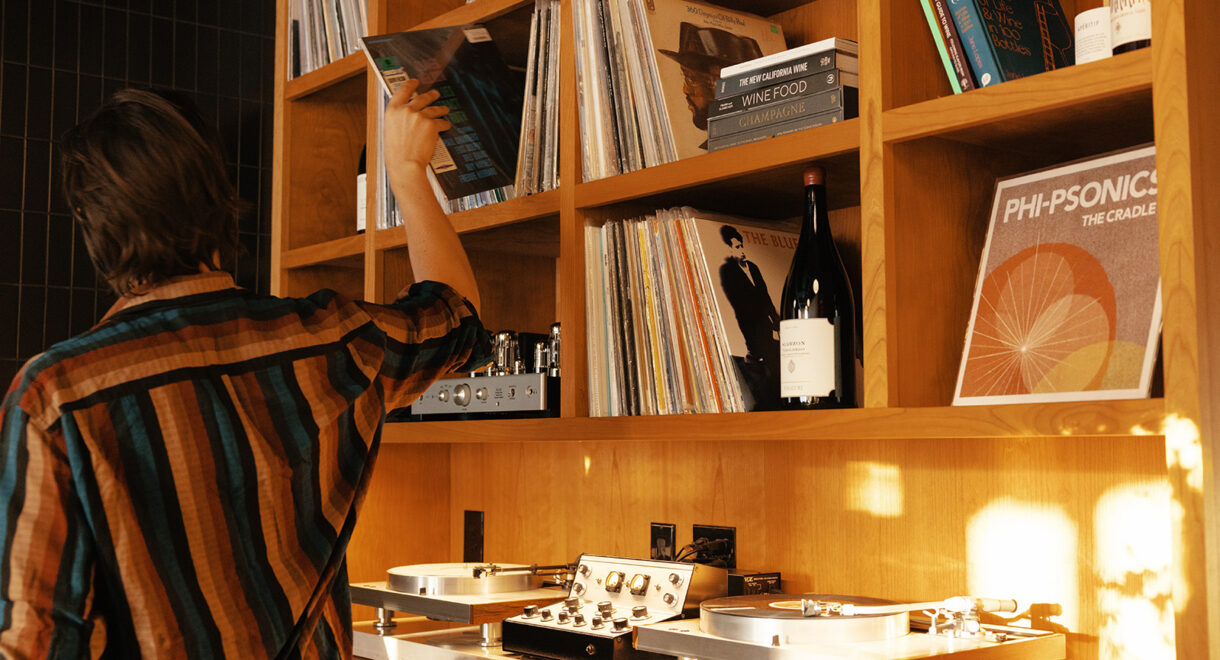
Anchored by Klipsch La Scalas and guided by sommelier Sarina Garibović’s wine list, Sam Cassidy’s hand-built Small Hours turns deep listening into a form of hospitality. In a […]
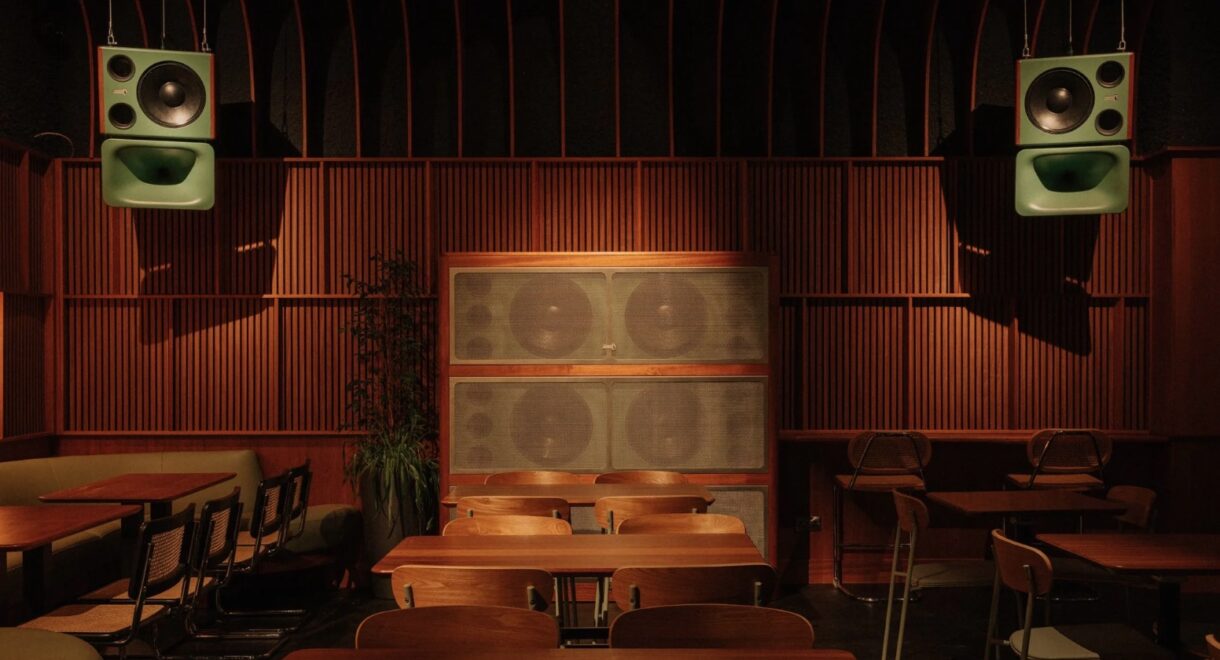
Meticulous acoustic treatment and custom-built sound systems at two beloved Dublin audiophile spaces. Dublin, Ireland: The birthplace of Sinead O’Connor, My Bloody Valentine, Phil Lynott and Thin Lizzy, […]