




Join In Sheep’s Clothing for a listening session on St. Pat’s Day featuring Van Morrison’s masterpiece, and brilliant albums by Thin Lizzy, Enya, Sinéad O’Connor and the Cranberries. […]


Lovers rock emerged in mid-1970s London as a distinctly British version of reggae, shaped by second-generation Caribbean communities longing for sounds that moved slower, felt closer, and spoke to intimacy rather than protest or spectacle. Built on chill rhythms, supple basslines, and voices that favored tenderness over strength, the genre reframed reggae as a private exchange instead of a public declaration of Jah’s glory. Artists and producers like Dennis Bovell, Janet Kay, Jean Adebambo, and Kofi helped define a sound rooted in London sound system culture but oriented toward romance, vulnerability, and emotional clarity. Music meant for the sweeter moments.
On February 10, that lineage comes into focus during a Valentine’s-season listening session at Only the Wild Ones in Venice. Friends and lovers are invited to gather on the Westside for an evening of lovers rock classics, versions, and covers, presented with context, stories, and liner-note detail.
Tickets are available now via dice.
Below: 5 classic lover’s rock jams to set your loins on fire.
“Looking Over Love” sits squarely in lovers rock’s mid-’80s sweet spot. The rhythm moves slowly and with intention, leaving room for Kofi’s voice to do the real work. She sings with a calm, unshowy confidence, never pushing for drama, letting the feeling land on its own terms. The production is clean and spacious in that unmistakably London way, bass forward, drums softened, everything in balance. Played endlessly on sound systems and pirate radio rather than chased on charts, “Looking Over Love” is lovers rock doing what it does best: quiet, intimate music that holds the room without asking for attention.
The lovers rock record everyone knows, and for good reason. Produced by Bovell, “Silly Games” distilled the genre’s emotional core into something both intimate and undeniable. Janet Kay’s performance is gentle but fearless, especially that sky-high refrain that turned the song into an instant communal moment. Released in 1979, it moved from sound systems and blues dances into the mainstream, becoming a genuine UK chart hit without losing its scene-rooted poise. Its reach didn’t stop at reggae either. The song’s melodic clarity and soft-focus romance helped open a lane for early British melodic synth pop, echoing through acts like Thompson Twins and Eurythmics, who carried that emotional directness into a different electronic language.
“Caught You in a Lie” is often cited as the starting gun for lovers rock, and it earns that reputation the quiet way. Cut for Lloyd Coxsone’s Safari label with backing from Matumbi, the record feels intimate and self-possessed from the first bar. What still stops people cold is that Louisa Mark was only about 15 years old when she recorded it. Nothing in her delivery signals youth. She sings with composure and emotional clarity, letting the lyric land without embellishment. The production stays spare and unhurried, bass and rhythm supporting rather than announcing themselves. “Caught You in a Lie” didn’t just introduce a new sound, it set a tone, heartbreakingly romantic, restrained, emotionally grown.
The 2024 Bovell collection Sufferer Sounds brings his late-’70s London work back into view, drawing from the period around his involvement with the Jah Sufferer Sound System. The focus is on the space where dub and lovers rock were still cross-pollinating, often alongside voices like Janet Kay, before either sound fully settled into form.
“Game of Dubs” offers a clear snapshot of Bovell’s dub style at the time. The mixes unfold with patience and control, basslines held steady while elements drop in and out with intention. Early synth lines drift through the tracks, adding color and atmosphere rather than spectacle. It’s dub built on structure and restraint, spacious and deliberate, already pointing toward the way Bovell would thread technology into lovers rock.
“Champion Lover” lands squarely in late-period lovers rock, when the genre’s romantic core was still intact but the sound had grown firmer and more contemporary. Recorded in 1988 and produced by Augustus Gussie Clarke, the track keeps lovers rock’s emotional openness while leaning into a cleaner, more dancehall-ready rhythm. Deborahe Glasgow sings with warmth and assurance, the romance up front, pulse tightening underneath, a balance that later tipped fully into dancehall when its melody was reworked as Shabba Ranks’ “Mr. Loverman.” “Champion Lover” captures that overlap moment, lovers rock evolving without disappearing.
We’ll focus on these tracks and more on February 10 at Only the Wild Ones in Venice, where we’ll bring the sound of South London back into a shared room. The evening is a chance to hear this music the way it was first lived, slowly, socially, lovingly, and with attention, letting Bovell’s dub language and the lovers rock it fed unfold on a proper system, in proper company.
Join In Sheep’s Clothing for a listening session on St. Pat’s Day featuring Van Morrison’s masterpiece, and brilliant albums by Thin Lizzy, Enya, Sinéad O’Connor and the Cranberries. […]
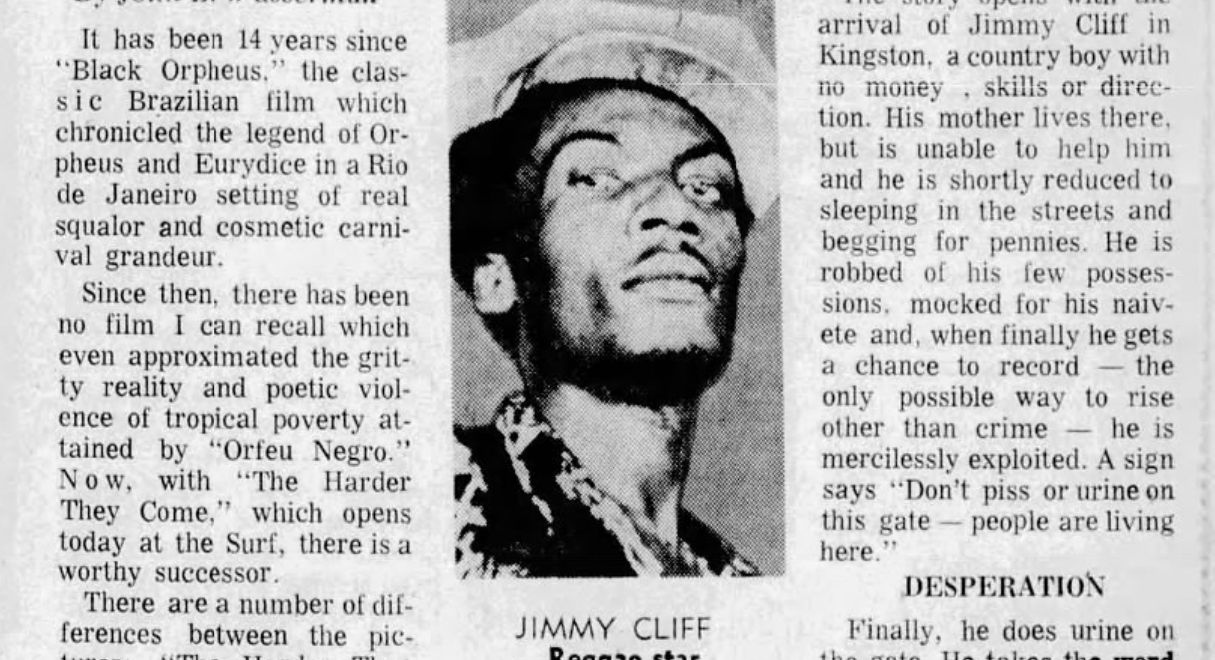
Cliff’s breakout performance helped ignite global attention, yet it was the full soundtrack — Toots and the Maytals, The Melodians, The Slickers, Dekker — that turned one movie […]

Watch a documentary on the iconic all-female post-punk dub band! Originally released in 2016, Here to be Heard: The Story of The Slits is a documentary on the […]
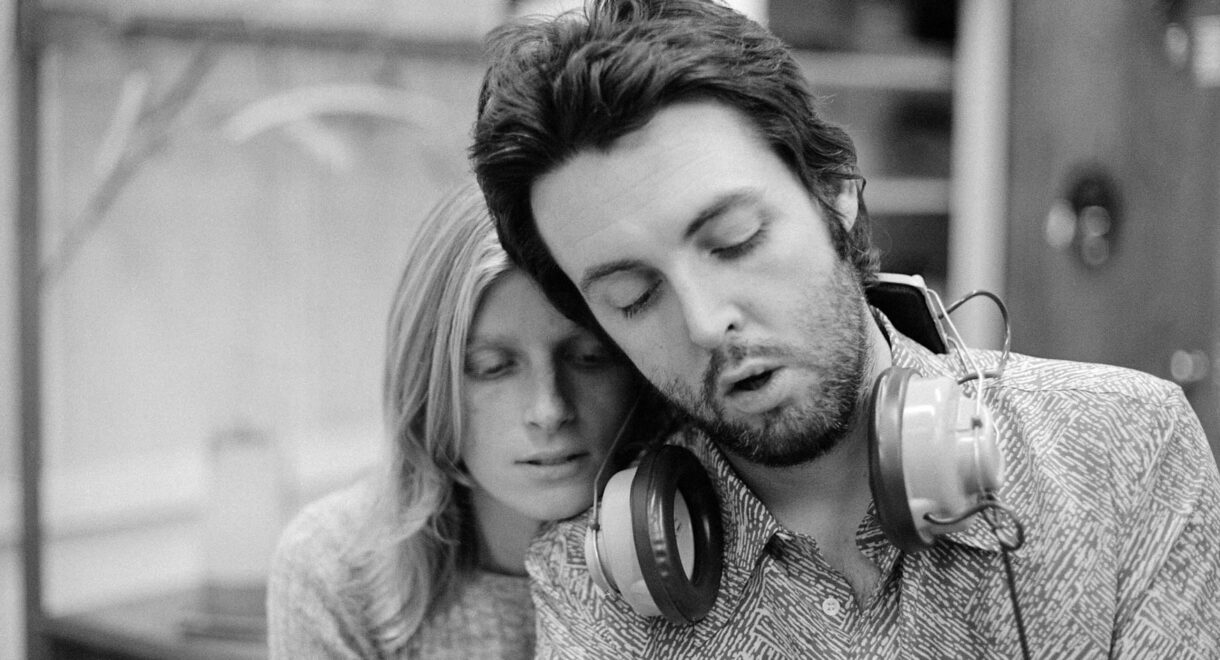
File under: Unlikely musical collaborations that actually worked… On January 16th of 1980, Paul McCartney was famously arrested at Tokyo Narita International Airport after customs officials found 7.7 […]

A look back through the blistering lens of Heartland Reggae, where Marley, Tosh, Judy Mowatt, Jacob Miller, and U-Roy lit up the stage while Kingston burned outside. In the […]

Join Edward George on a journey into reggae, dub, and versions that draws on critical theory, social history, cross-genre musical selection, and live dub mixing. Followers of this […]